

The Show Must Go On for White Light
Leave a Comment
Last month, the Palace Theatre in London’s West End played host to The Show Must Go On – a unique concert which celebrated the very best of the London theatre scene whilst raising vital funds for theatrical charities. The show featured select performances from over 18 West End shows, including The Lion King, Matilda, & Juliet, Come From Away, Back to the Future and many more, as well as having a 50 strong cast, crew and orchestra. This included Olivier Award-nominated Lighting Designer Howard Hudson who approached White Light (WL) to provide the lighting equipment.
The Show Must Go On was produced by Theatre Support Fund and MZG Theatre and all profits went to Acting For Others and the Fleabag Support Fund. Following a year in which theatres have been hit incredibly hard due to the Covid-19 pandemic, the production wanted to support the thousands of creatives who have not worked for several months as well as celebrate the shows that have recently been absent from our stage. Howard explains: “I was tasked with lighting each performance with different looks in order to give each show its own identity. Whilst we had to ensure the rig would work for every performance, we tried to give some unique colour identity, whether that was based on a particular moment or influenced by the production’s artwork, which acted as a subtle visual nod to the audience.
He continues: “The set comprised of a large LED Neon sign with a deck upstage for the choir and more LED strips within the orchestra, with featured logo-clad flightcases downstage right and left. The sign and the strips, along with the large curtain at the back of the stage, gave us our main elements with which to colour each performance and the strips provided eye candy for the more upbeat numbers. We decided to drop in the bars to give the stage a more concert vibe as the rig height for the show which normally plays at the Palace is very high”.

With the show only having a handful of live performances, this meant that there was a limited rehearsal and technical period. Howard explains: “We essentially only had one session in which to plot some initial looks for each performance. Following this, we had two tech sessions with the orchestra in which we’d run each number twice and then move on. As such, my brilliant programmer, Dan Haggerty, and I had to be very swift with our decision making and cross our fingers tightly that it would all work when we brought it together! As the final performance was going to be recorded and streamed across the globe by NT Live, we also had to work alongside the team who conducted some camera tests before we eventually went live”.
In terms of the fixtures utilised, Howard was able to largely draw on the existing rig currently in place at The Palace, which was supplied by WL. He explains: “The rig in situ at The Palace Theatre was thankfully very substantial. As such, we mainly used the VL3500s, XBar 20s and Lustr 2 systems and sporadically drew on some of the Revolutions which is the other main fixture there. We brought in some additional GLP XBar 20s to uplight our backcloth and also 7 Pickle Patts which we gelled as back of shot dressing. These were also useful as blinder type units for several moments. The 2 followspots were also vital for a concert with so little tech time, and the FOH follow spot position at the Palace is brilliantly angular and worked very well on camera”.
The show was performed live to a socially-distanced audience from Wednesday 2nd June to Sunday 6th June, with the final performance being recorded by NT Live. The live recording was then subsequently made available for a week afterwards.

Howard concludes: “With this production, it was just great to be back in the room with so many brilliantly talented people. I’ve really missed the community of our business and just to spend time with people I hadn’t seen for so long was excellent. It was also for a fantastic cause as well and has managed to offer some aid to those who have struggled, and continue to do so, due to the events of last year”.
Photos courtesy of Johan Persson.


 The Lighting Designer for this production is Howard Hudson, who also lit
  As the Open Air Theatre is a completely outdoor space, this meant that Howard’s approach to Little Shop of Horrors differed to how he’d traditionally light a show. He explains: “The most vital part I’ve found with working outside is having your cue structure worked out in as much detail as possible prior to tech. So even if you’re teching in incorrect day light conditions (as is most often the case), you can rough in cues to at least have some lights you hope pointing in the right place. And then the tech sessions themselves are often like putting a blindfold on: you concentrate more on working with the DSM who is calling imaginary cues that don’t do anything with lights that aren’t on! It’s only when you have the first dress rehearsal that you see all your guesswork for the first time in the right light – and you spend most of that praying the lights come up in the right places at the right time in the right colour and at the right level! After each tech and preview, we will work until 2:30am in order to take advantage of the darkness. So we also work live over the previews which is gold-dust in terms of lighting time”.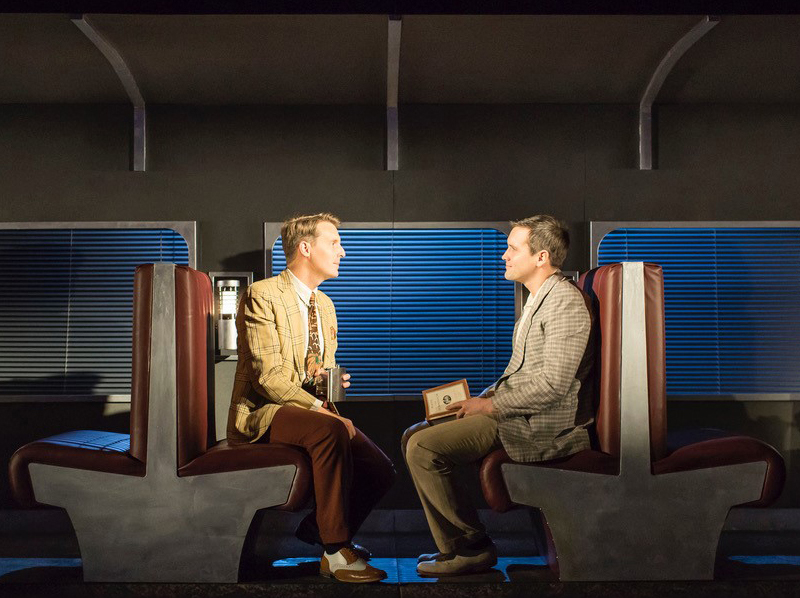
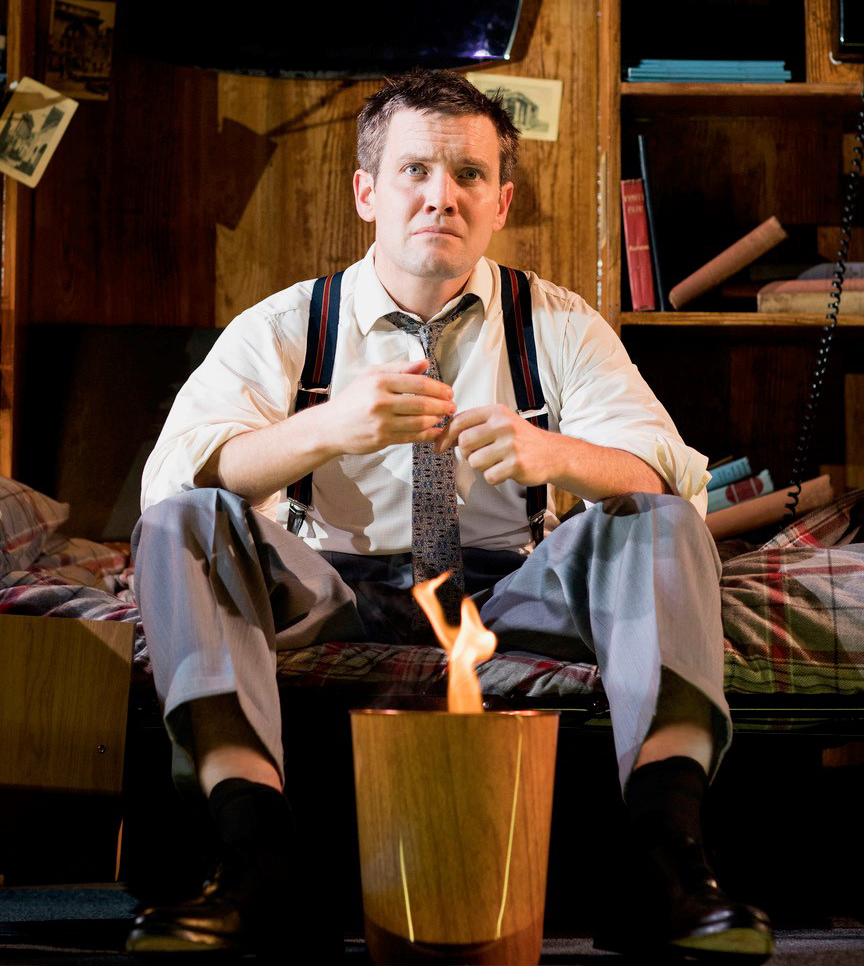
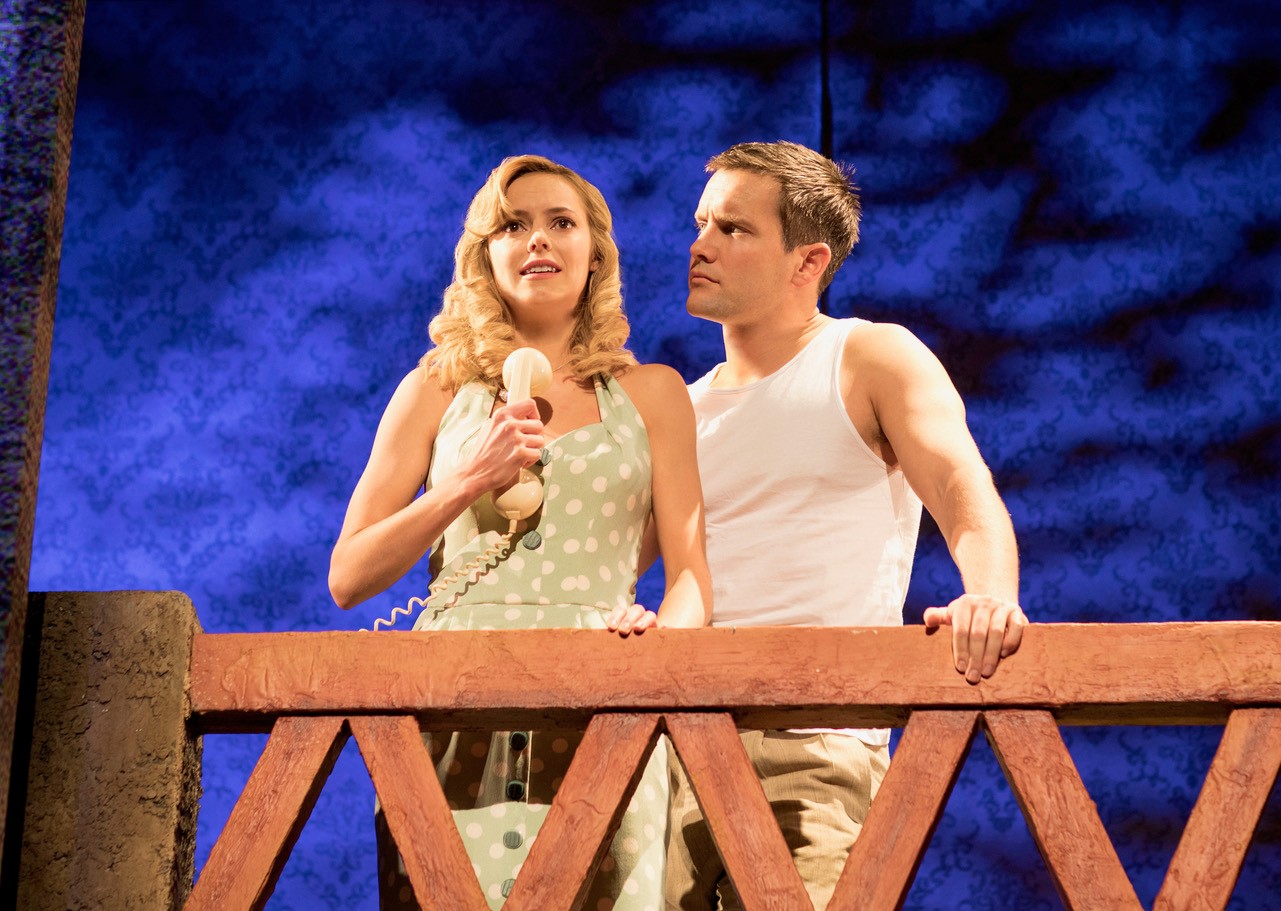
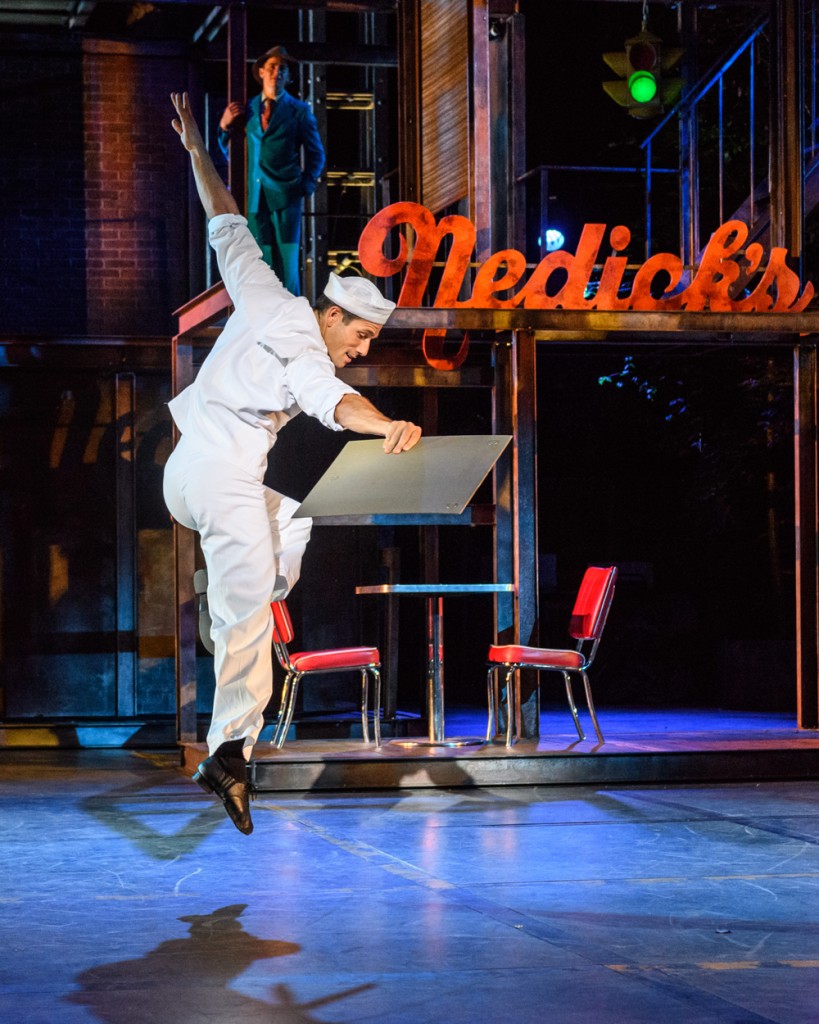 It’s a blistering day in Central London as I make my way over to Regent’s Park Open Air Theatre. Located in the heart of Regent’s Park, the venue is the oldest, permanent outdoor theatre in Britain. Every year, from May to September, it hosts a range of exciting work, including last year’s Olivier Award-winning Jesus Christ Superstar. Having supplied the lighting equipment for many years now, White Light has been called upon to do so again in 2017. One of the shows programmed this year is the Broadway classic On the Town which is being lit by Howard Hudson. I was invited along to spend the day with Howard to get an insight into his process and how he works on a show such as this.
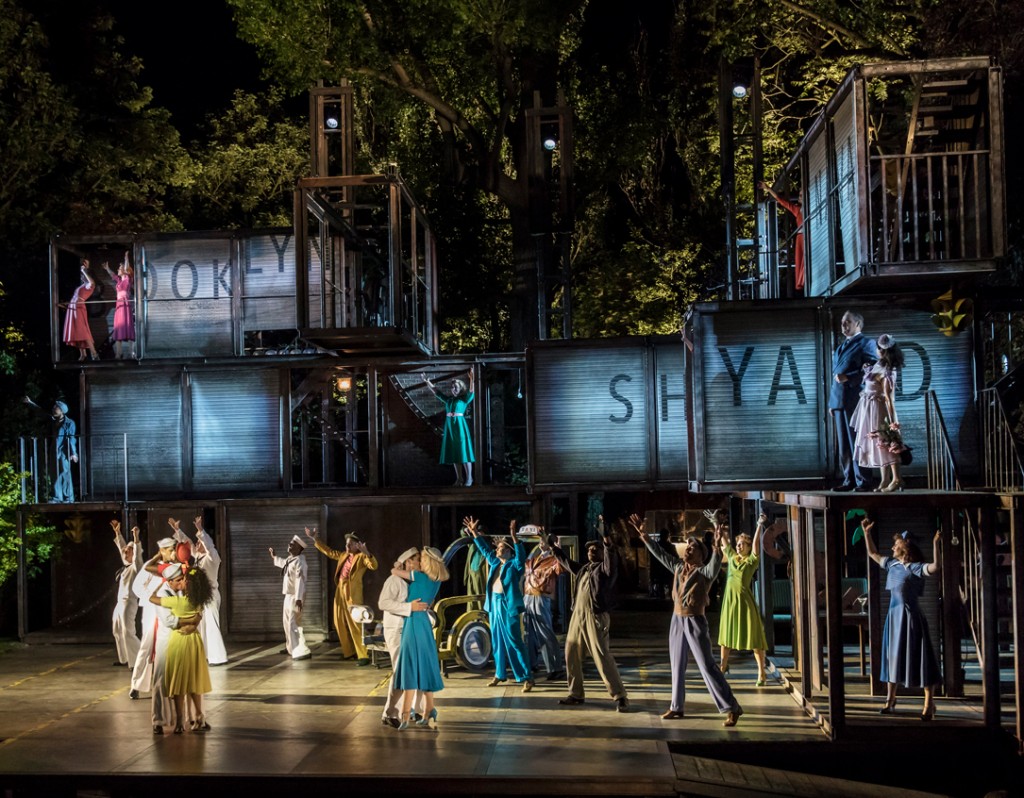 However, this is now a distant memory: the sun is shining and conditions couldn’t be any different to what Howard faced last week. He states: “Today is all about problem solving and refining. Drew McOnie, the director and choreographer, is changing certain sections that he wants to see amended. What this means is I have to work quickly on top of this session, mostly changing how sequences are cued and making small tweaks to positions and intensities.”
 And part of getting it right means preparation. Howard has already been on-site for over a week teching the show (weather permitting). That said, he has been fully immersed in the show for the past month at least. He states: “This is a huge production with so much going on that I wanted to be fully prepared. Ideally you’d normally spend as long as possible in rehearsals yet this is not always feasible due to your schedule and the tightness of dates surrounding other shows. For On the Town, my agent and I deliberately kept the few weeks before tech free so that I would have the time available to sit in on as much rehearsal as possible. My aim was to learn the dance aspects of the piece and really understand the material I was lighting; something you cannot do by simply watching the actors on stage and turning up a few days before”.
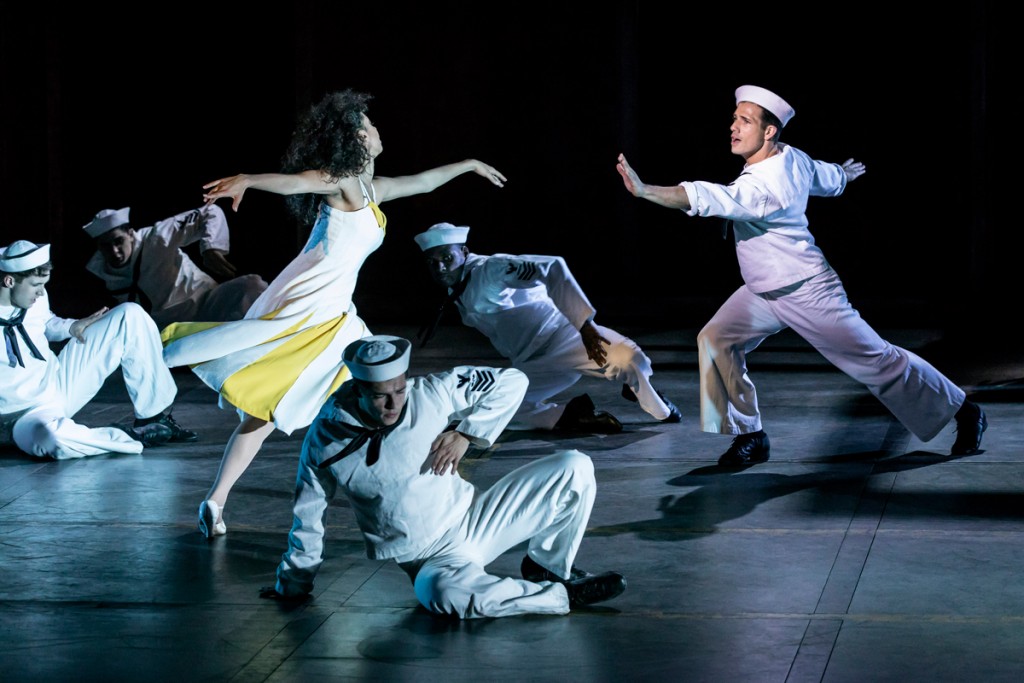 Due to the dance-heavy focus on the show, Howard found himself supplementing the existing rig with VL 3500 Washes in a lower, cross light position in order to accentuate the dance feel. With this show in particular, the lighting had to accommodate the fact that the production was taking place outside hence would have to change as the evening progresses. Howard states: “What we find is that, in order to make the lighting read more in the earlier part of the show, you’re using the rig at much higher levels. As the show moves into the second act, hence the latter part of the evening, you’re moving down to normal levels. A lot of this show has been about finding that balance and smoothing the change. At the moment, there’s a very definite point where the natural light changes and I know now that this will alter throughout the run. It’s my role to ensure this remains as seamless as possible. We’ve also been fortunate in that the piece is set over the course of 24 hours from early morning, through evening to sunrise, so the natural light works alongside the narrative.”
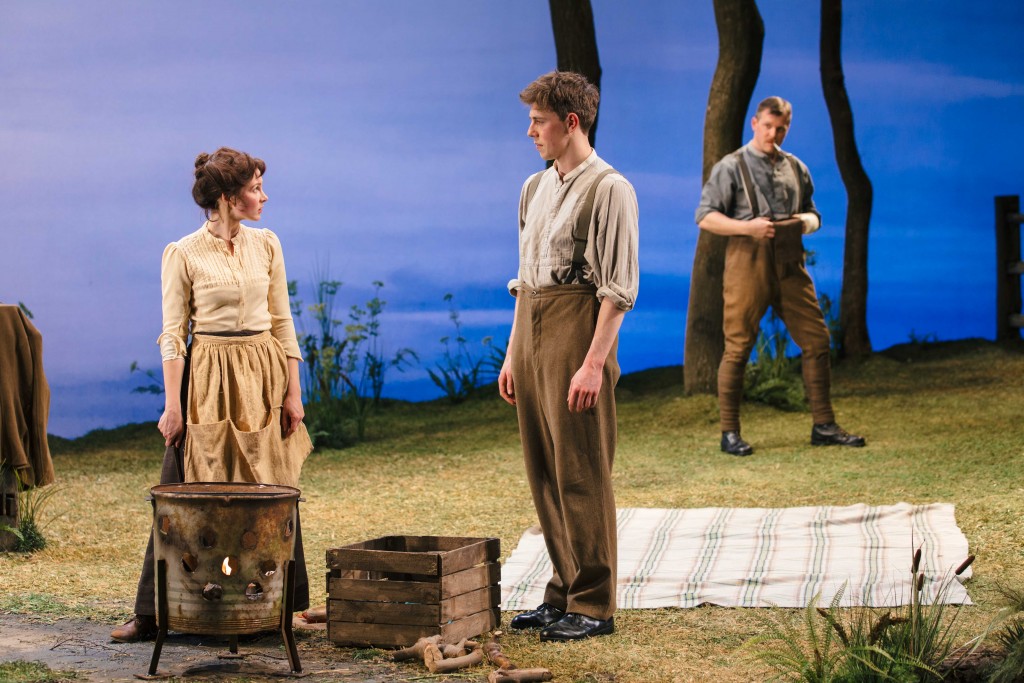 Currently playing at the Salisbury Playhouse, Echo’s End tells the story of a young couple in 1915 Wiltshire who find themselves caught up in the turmoil of troubled times. It is written by award-winning playwright and novelist Barney Norris, directed by Alice Hamilton and features a lighting design by Howard Hudson. As one of the leading lighting suppliers to UK regional theatre, White Light was called upon to provide the equipment.
 As with most of his designs, Howard had to work closely alongside the set design, which in this case reflected outdoor Wiltshire. He adds: “A major element of Tom Rogers’ design was a 14-metre-wide printed cloud cyc at the back of the stage which allowed us to create a wide variety of different looks for the eight scenes, ranging from dull, overcast grey days, to strong, deeply saturated sunsets. This was also useful for the transitions between scenes as it provided a really great and varied backdrop for the company to be silhouetted against”.
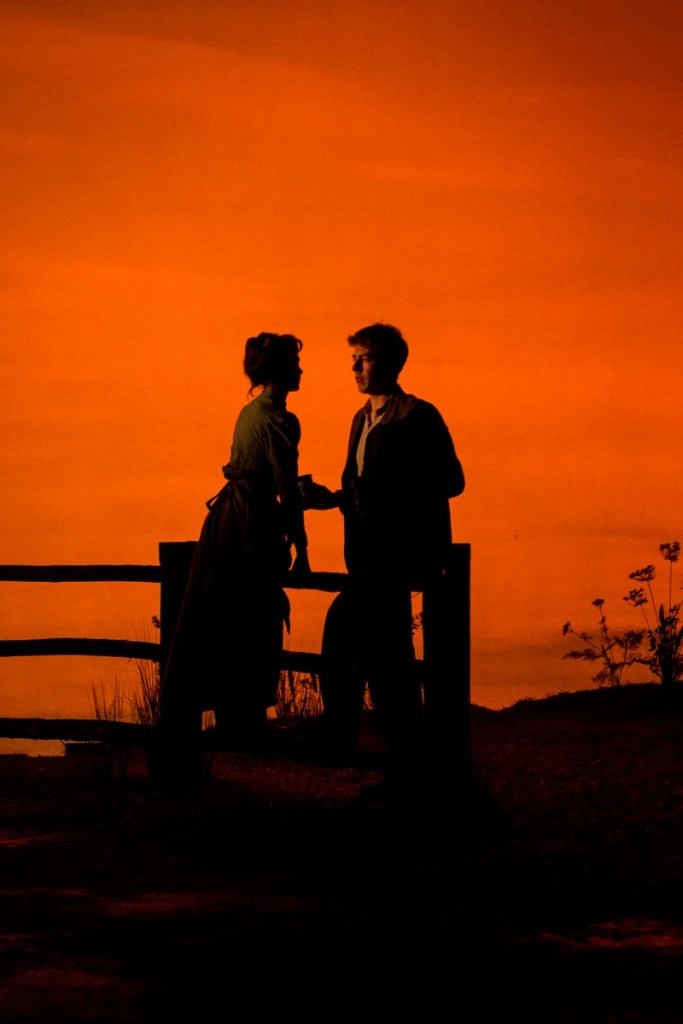 For the rest of his rig, Howard drew on WL’s extensive inventory to ensure he had every fixture he required. He comments: “I drew TW1s overhead and front of house which allowed for flexibility and provided the large coverage needed for such an expansive set. The cyc was bounced from behind using the Robert Juliat Dalis units. These offered bright, sophisticated colour mixing and high-quality fades meaning they were the ideal fixture for this purpose. Jon Roache, who programmed the show, suggested we split each unit into four to allow us to apply gradients and colour swipes to the cyc to refine the transitions and allow blends of subtle pastel shades but also have the option for strong colour. Overhead the workhorses of the rig were two 5kw fresnels with scrollers which worked with the cyc as a sort of ‘first layer’ for each scene”.
 Last night, the winners of the OffWestEnd.Com Awards, better known as the Offies, were announced in an online Twitter ceremony hosted by Sir Patrick Stewart. The Offies recognise Off West End theatre in London, celebrating independent venues and recognising the artists who work in them. As a leading lighting supplier to theatrical productions all across the capital, White Light once again sponsored the award for Best Lighting Design. This year it has been won by David Plater for his superb work on Deathwatch at the Print Room.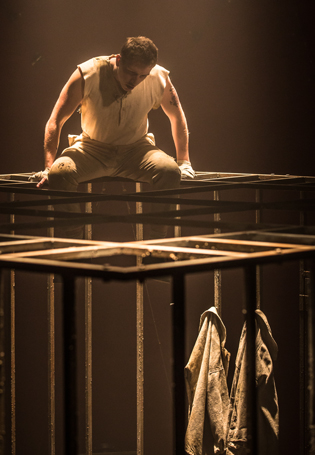
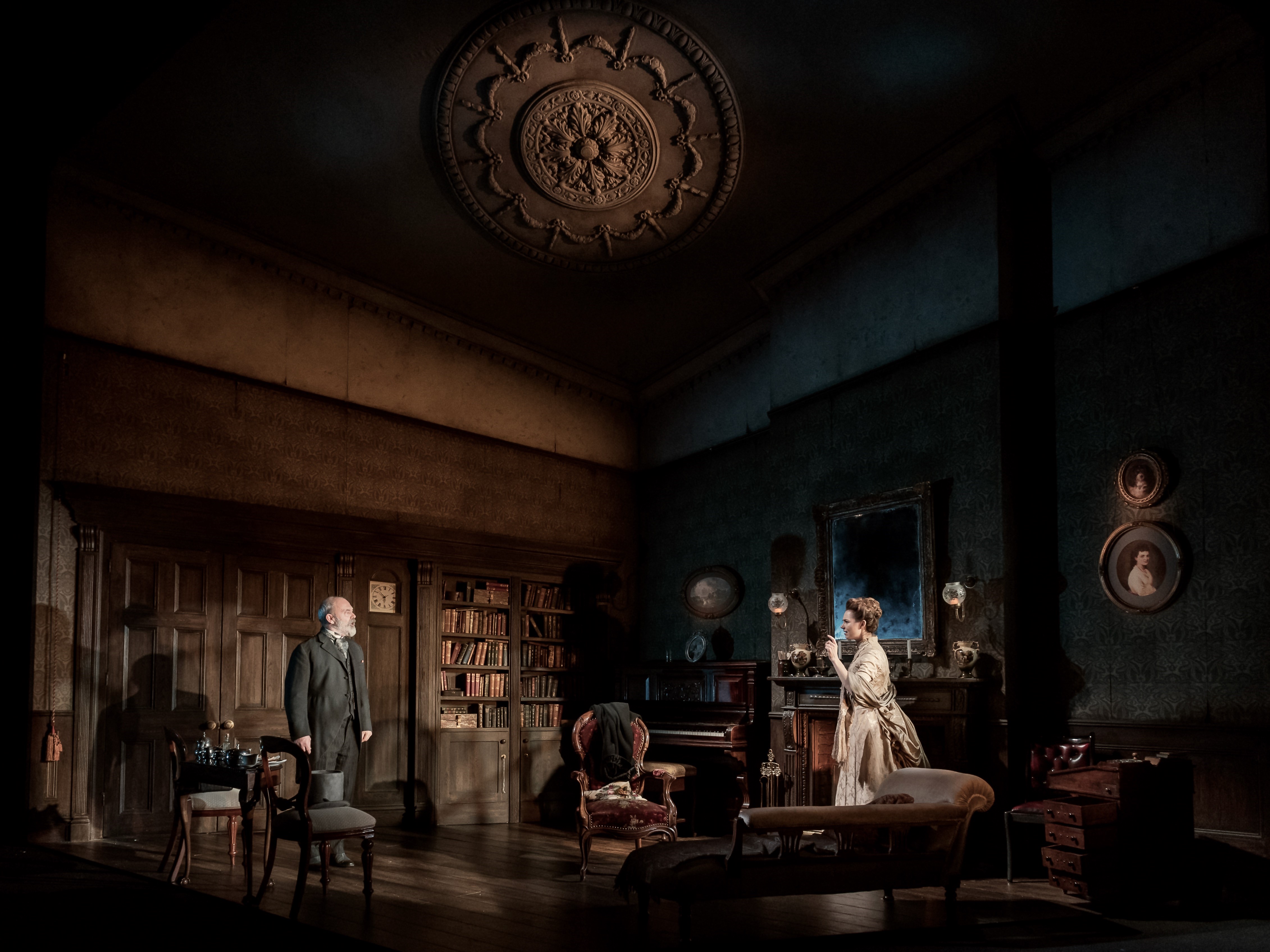 Now considered to be a theatrical classic, Patrick Hamilton’s Gaslight is currently being revived for a UK tour. The Victorian thriller opened last week at Birmingham’s New Alexandra Theatre and is now visiting venues across the UK. As one of the leading lighting suppliers to UK touring theatre, White Light was called upon to provide the lighting equipment for this production.
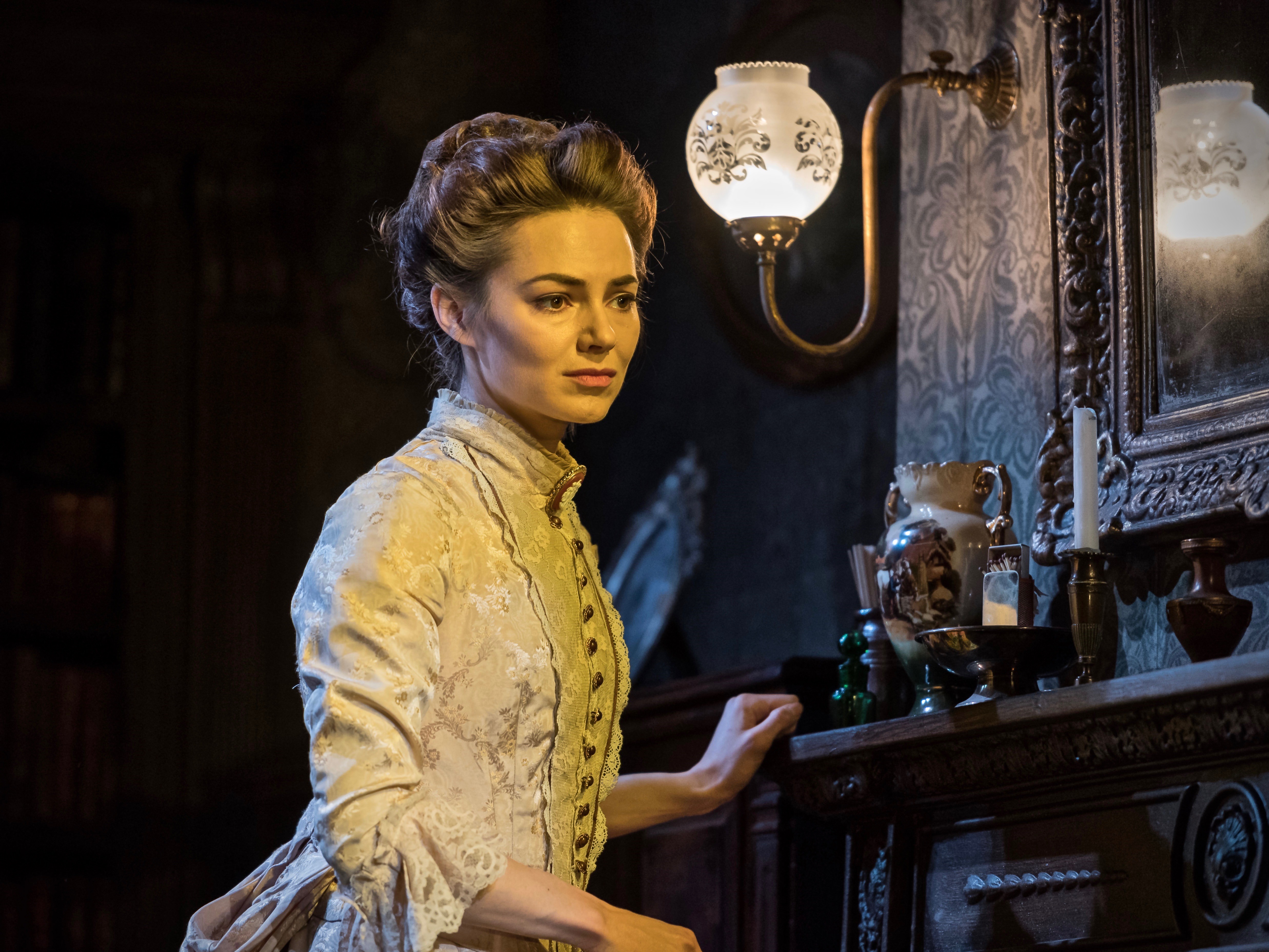 Alongside creating this gaslighting effect, Howard had to create a rig that was suitable for touring. To do this, he drew on a range of predominantly LED equipment taken from WL’s extensive inventory. This included ETC Source 4 Series 2 Lustrs, ETC Revolutions, a host of ETC Source Fours and an ETC Ion 1K Console.
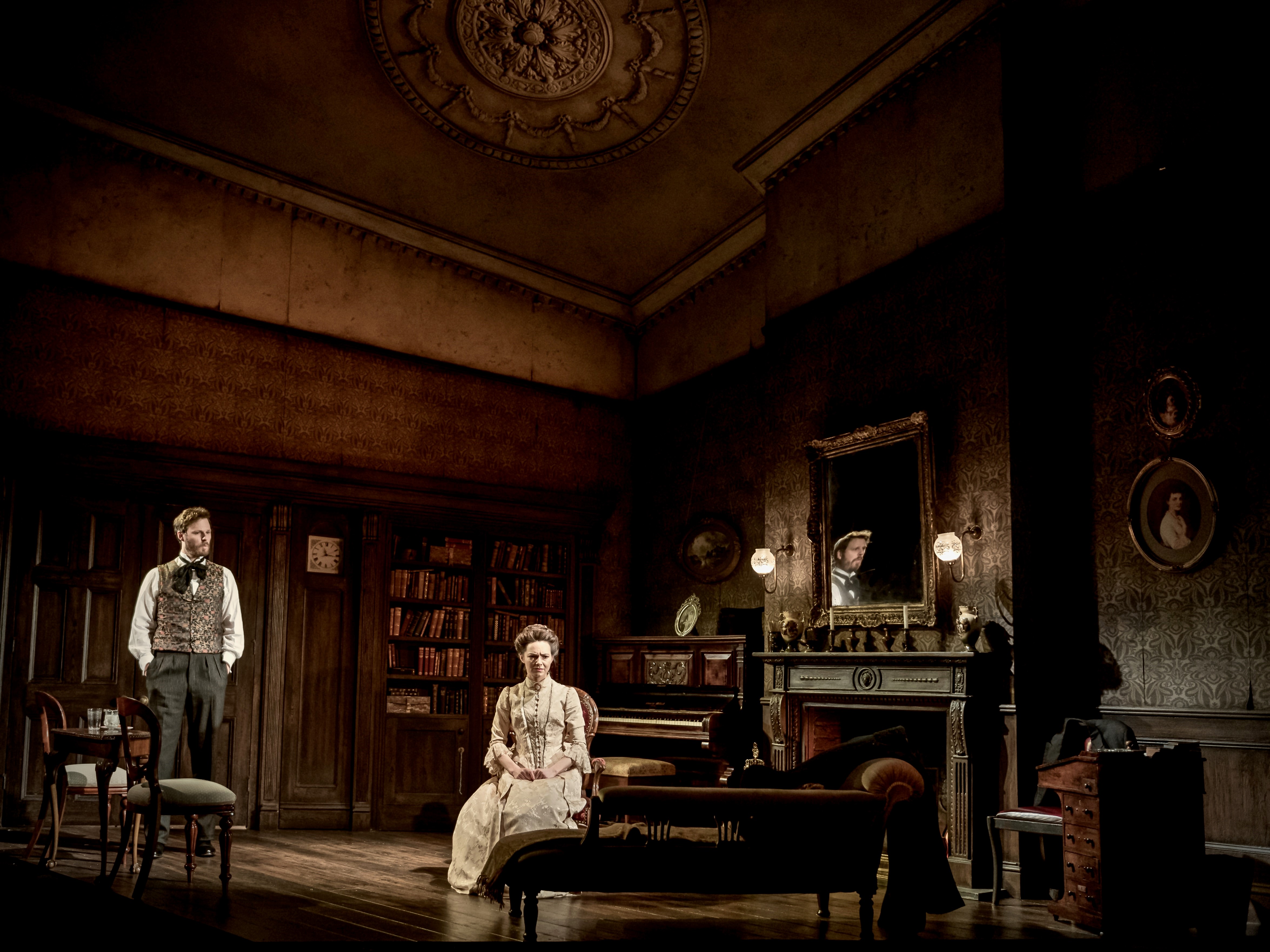 Gaslight has now opened and already received four and five star reviews from The Telegraph, The Times and WhatsOnStage to name but a few. The play is currently playing at the Aylesbury Waterside Theatre before visiting Woking’s New Victoria Theatre (23 – 28 Jan), York’s Grand Opera House (30 Jan – 4 Feb), Brighton’s Theatre Royal (6 – 11 Feb) and Richmond Theatre (6 – 11 March).