

White Light in the Picture for Canon Camera Launch
Leave a Comment
Canon recently held the launch of its new camera the EOS R at Shoreditch Electric Light Station, London. The camera giants invited journalists along to take part in an experiential experience in which they were transported to a utopian land 400 years in the future. The experience was produced by award-winning theatre company Les Enfants Terribles, known for their work on Alice’s Adventures Underground. Having provided the lighting on a range of immersive projects, White Light was called upon to supply the equipment for this particular launch.
The lighting designer for the event was Charlie Morgan Jones, who comments: “Canon wanted to launch their new camera yet do so in a way that was interactive and provided the journalists in attendance with an unforgettable experience. Les Enfants came up with the concept that a Canon ambassador was lost in the future and it was down to the invited journalists to ‘find her’. The set design team created a variety of spaces, including the Lab, Missing Persons Room, Museum of Curiosity, Worker’s Space and the Gym; each of which contained clues and potential pointers as to where the ambassador might be. The finale is that they find her in a space named Utopia and she does a beautiful aerial act which they photograph using the new Canon camera, thus allowing them to try out this latest model and all of its settings”.
 Charlie’s own brief was to create a lighting design that not only helped tell the story and add to the immersive experience but was also allow the camera to take the best photos possible. Charlie comments: “I’ve never done an event like this before where the lighting had to be so precise in terms of hitting certain lighting levels whilst at the same time retain my own aesthetic for the live audience. The team from Canon actually came round with a light meter to ensure we were hitting the exact levels and we often had to adjust our lighting brightness accordingly”.
When Charlie first visited the site, it was a complete empty space. Using only the renderings and drawings he had, he approached the WL team and worked closely with Jonathan Haynes and Jim Dewhirst to obtain the exact fixtures he required. He explains: “This was a very unique project in the sense that it was very ‘theatrical’ yet wasn’t taking place in a theatre space as it were. After speaking with WL, I decided to draw on the ETC Source Four Minis which proved invaluable for the smaller spaces where we simply didn’t have the space for a large rig. A lot of the rooms required powerful lighting yet for this to be done discretely and I feel the Minis are the only fixture that are able to achieve this”.
The largest space used in the experience was the Utopia area. It was here where the entire launch would culminate, with an aerial performance from the ambassador. Charlie explains: “The biggest feature in Utopia was the sun, which was a monster to create. It comprised of 19 par cans, 32 pin spots and a lot of LED tape (although I suspect my Chief LX Paul Walmsley and his masterful electrics team secretly loved making it!). The space also utilised 8 x MAC III Performance, 3 x MAC TW1s and a range of Robert Juliat DALIS”. Over the main acting space, 14 x ETC Lustr 2s provided general coverage, acting as a ‘big light’ to ensure the cast could be seen clearly by the camera.
 As with a lot of events taking place in bespoke environments, the set up time for the project was extremely tight. Charlie explains: “We had three days to set everything up and we were working alongside the construction team who were simultaneously building the set. Also, due to the fact that there was very little free space in the main areas, we actually had to position the lighting desk in another room, meaning all the programming was blind. That said, the Lighting Programmer, Shane Button, was fantastic and it often involved a lot of trial and error with me speaking down a radio to him, acting as his eyes. I was really lucky to be surrounded by a brilliant team, including my right hand man LX Paul Walmsley as well as Charlie Hayday, Gareth Clough, Clancy Flynn and Paul Salmon who were all equally fantastic!”.
The launch was a huge success, attracting journalists from across the globe. It also marks yet another example of WL working with Charlie. Charlie comments: “This was a fantastic project to work on and unlike anything I’ve ever lit before. I want to say a huge thanks to all the WL team for being so accommodating and for offering guidance from the initial planning stages, all the way through to final delivery”.
Photos courtesy of Charlie Morgan Jones and Canon Ambassadors.

 Joshua’s main brief was to find a visual journey for the light and video to work closely with the surrounding landscape. He comments: “Using a range of equipment and the natural light which the outdoor affords, I had to gradually create the visual aesthetic of the underworld; shifting the feel of the natural gardens into a visual palette that felt heightened and other worldly. This would ultimately return back to the real world at near dusk and then to the twinkling lights of Mevagissey and the ocean in the far distance. Working very closely with Production Designer Myriddin Pharo, we created seven different stages situated within the landscape of the gardens. Some were as big as 30m in diameter, embracing the rolling fields, whereas some were large metal stages with video walls, contrasting strongly with the landscape.
 Joshua approached WL to draw on the fixtures he needed for his design. He comments: “WL provided a brilliant supply of Elation Six Par LED Pars which were a vital backbone to the design; allowing me to alter colour as the sunlight levels settled. There was a brilliant moment when the setting sun was cutting these very beautiful shafts of deep orange sunlight across one of the final stages, and I had filled the space with haze and a deep inky blue; the contrast of natural light and vivid LED light working together beautifully. Another important fixture was the humble IP Rated Par 64. The first and final scene was completely lit with these; in open white, with the tungsten supporting the golden sunlight for the opening scene and then creating the most gorgeous warm light for the final scene at dusk. Another vital fixture was the Rockwall LED video wall which was used as a giant operating theatre monitor. This allowed us to integrate images of contemporary warfare with the live performances – an important underlying subtext to the piece we were really keen to weave in”.

 The Lighting Designer for Sounds and Sorcery – Celebrating Disney Fantasia is Jake Wiltshire. He comments: “The show is a multi-sensory, immersive experience in which audience members wear headphones and roam freely around a collection of live performances, installations and video – all set to music. My brief was to ‘create music you could see and images you could hear’. With a production like this, there’s nowhere to hide. The audience are literally on the stage so you can’t ask them to ‘find their light’. Whatever you create has to be inclusive and work from every angle. As a result, I worked closely with the Designer Kitty Callister to create a very organic relationship between the themes of each room, the technology and the dramatic subtleness”.
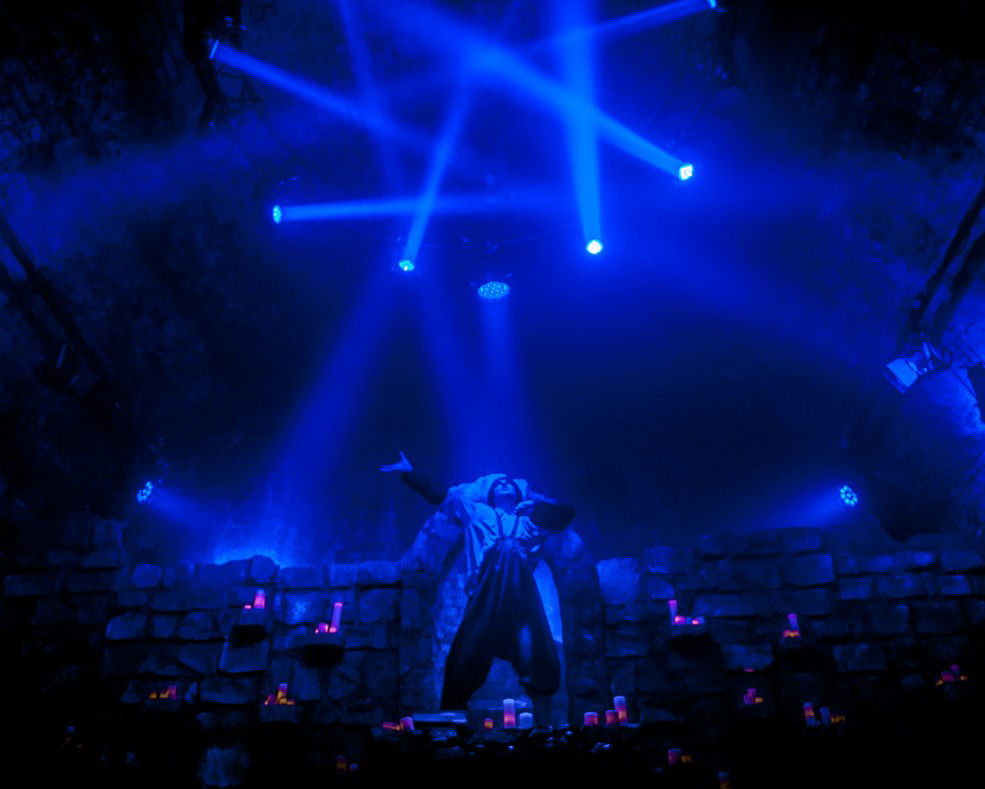 He adds: “In The Sorcerer’s Apprentice, the room is lit only by DMX controlled candles, allowing the Sorcerer to magically manipulate the flames around the room. I wanted to find a way to mimic the original cartoon’s dream sequence where the apprentice plays with shooting stars, light beams and giant waves. This drew me to use the Ayrton Magic Dot for a choreographed light sequence where the performer controls three dimensional beams of light across the audience, raising it to a crescendo of chaos. In other rooms, we’ve concealed LED pixels inside mushrooms to create a choreographed mushroom dance alongside LED neons under a frozen pond for an ice skating fairy routine. There are also hundreds of handmade practicals including 80 birdies, over 100 pendant light bulbs and not forgetting the many, many haze and smoke machines including 4 x Chauvet Geysers, 11 x Unique Hazers, 2 x Low Foggers and even a bubble machine”.
 The show has now opened and will run until 30th September in what is a limited Summer run.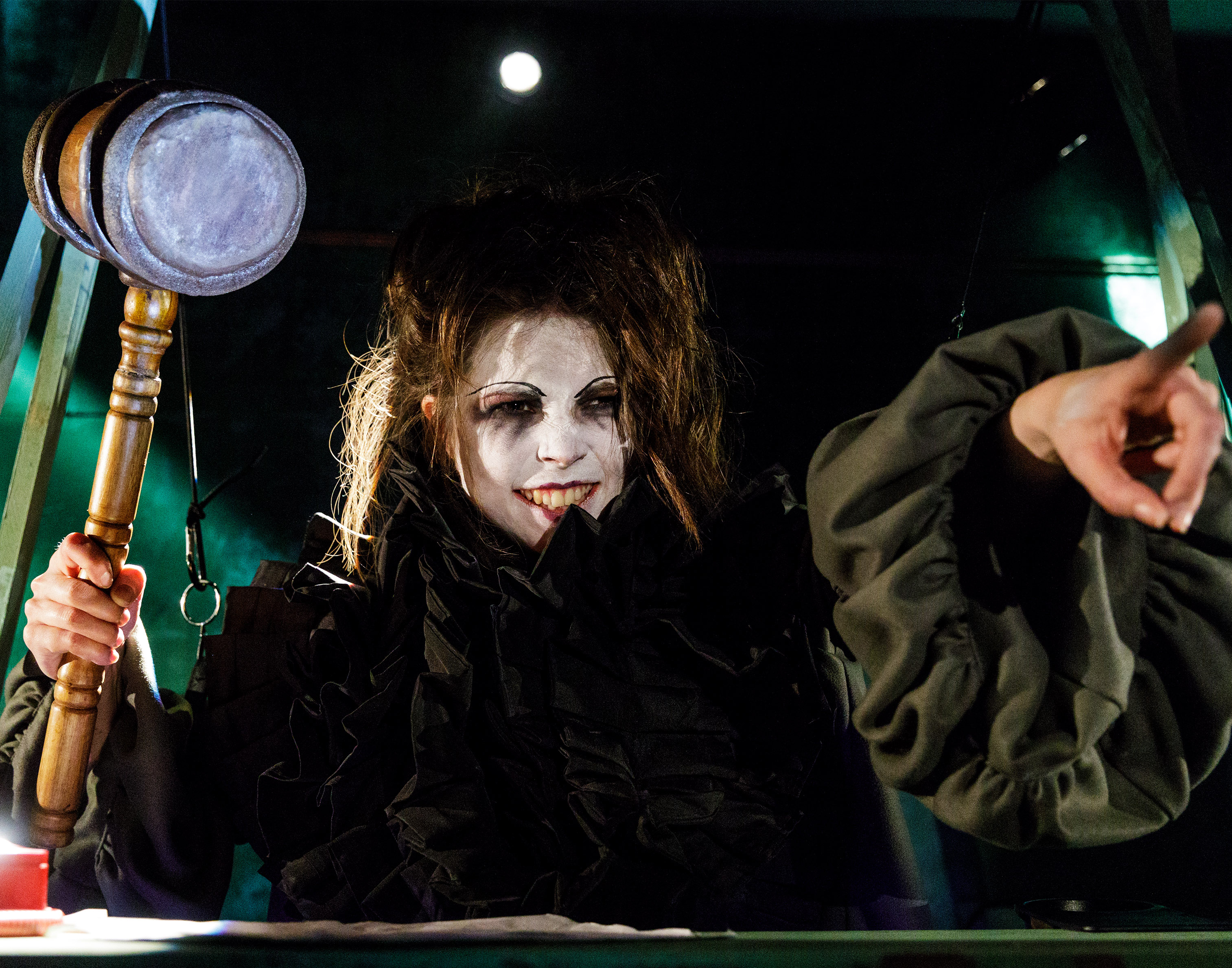
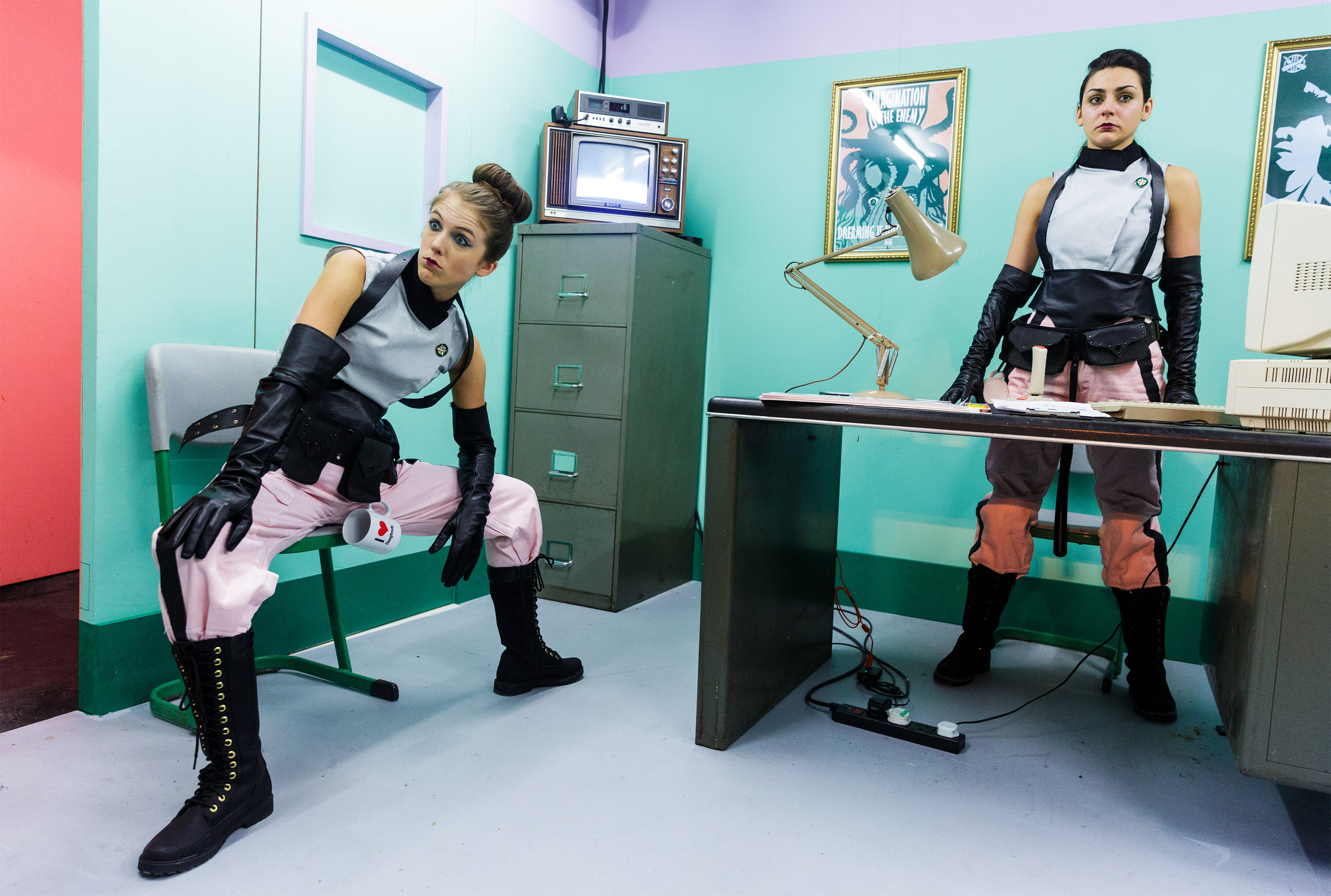
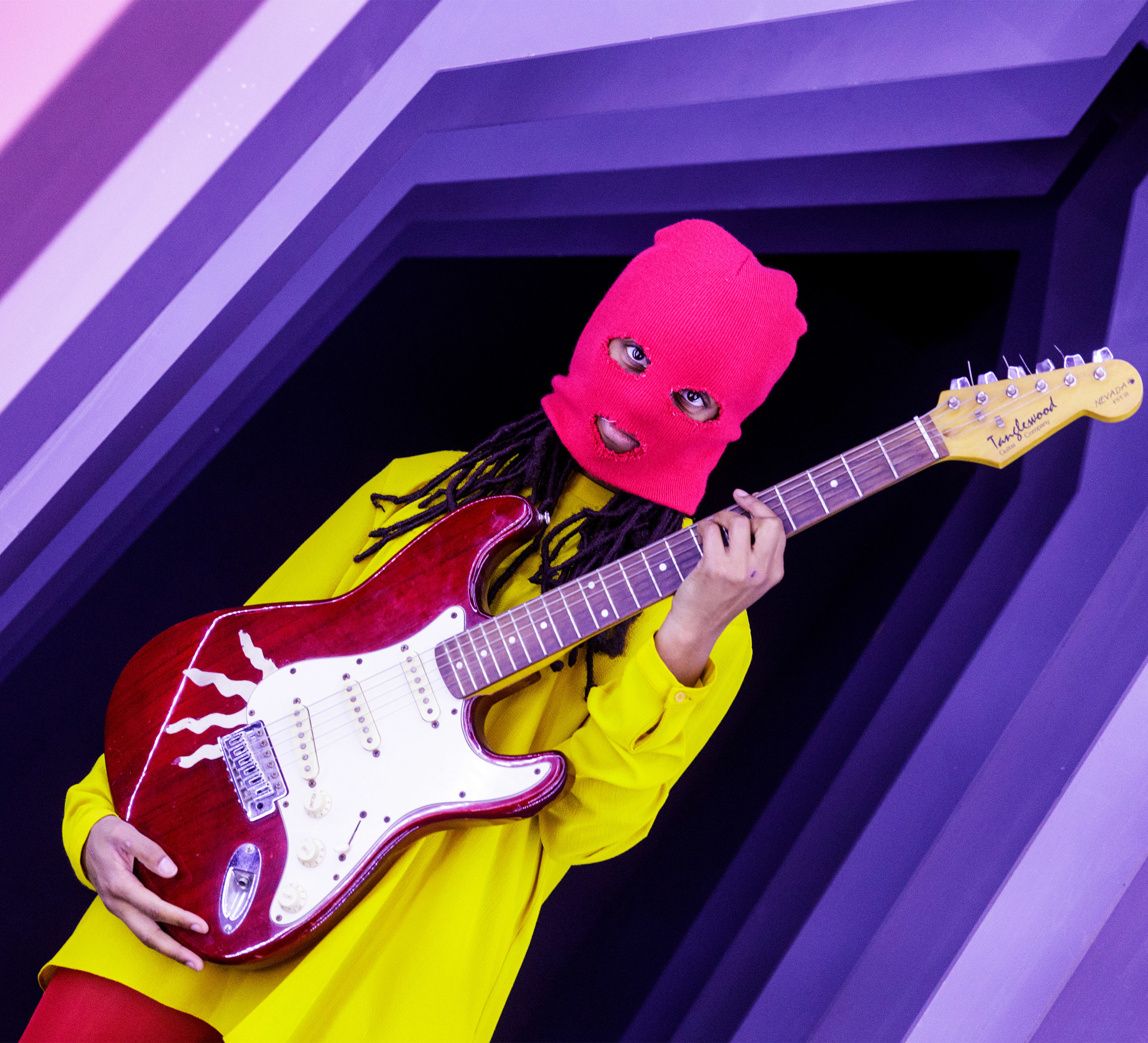
 Located at the world famous St Paul’s Church in Covent Garden, Iris Theatre creates bespoke productions specific to that space. The company’s aim is to develop the next generation of professional theatre practitioners and produce a vibrant repertoire of varied work. This year marks the company’s ten-year anniversary which will be celebrated with a summer season of immersive productions. One of these is Macbeth and White Light was called upon to provide the lighting equipment.
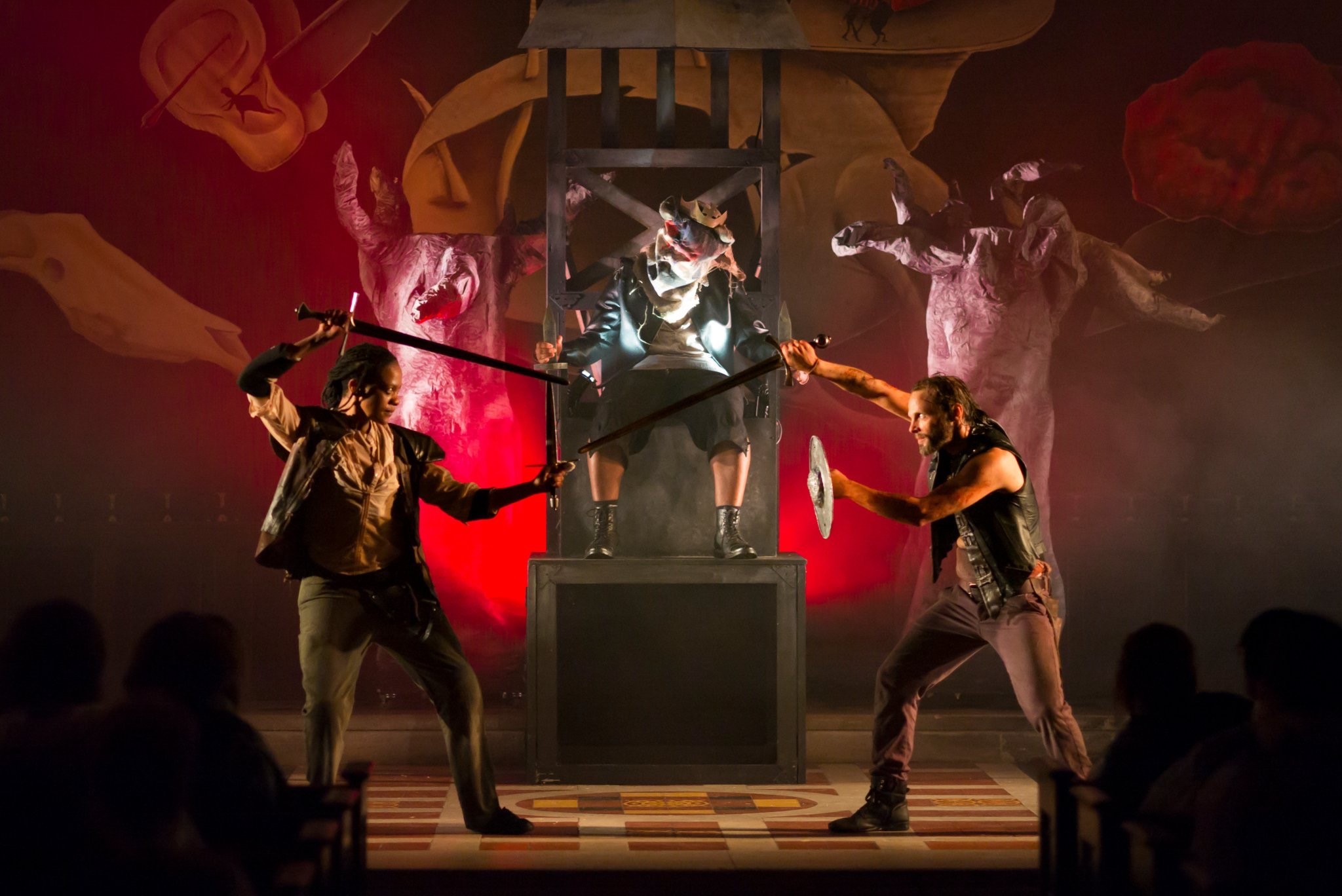 In total, Macbeth utilises five spaces across the church grounds. Benjamin states: “The five spaces we use are the church itself, the steps, the north garden, the south garden and the main pathway. By using five spaces, this essentially means we have mini theatres within the grounds, both indoors and out. My role as Lighting Designer was to help fulfil the director’s vision whilst at the same time practically light the spaces”.
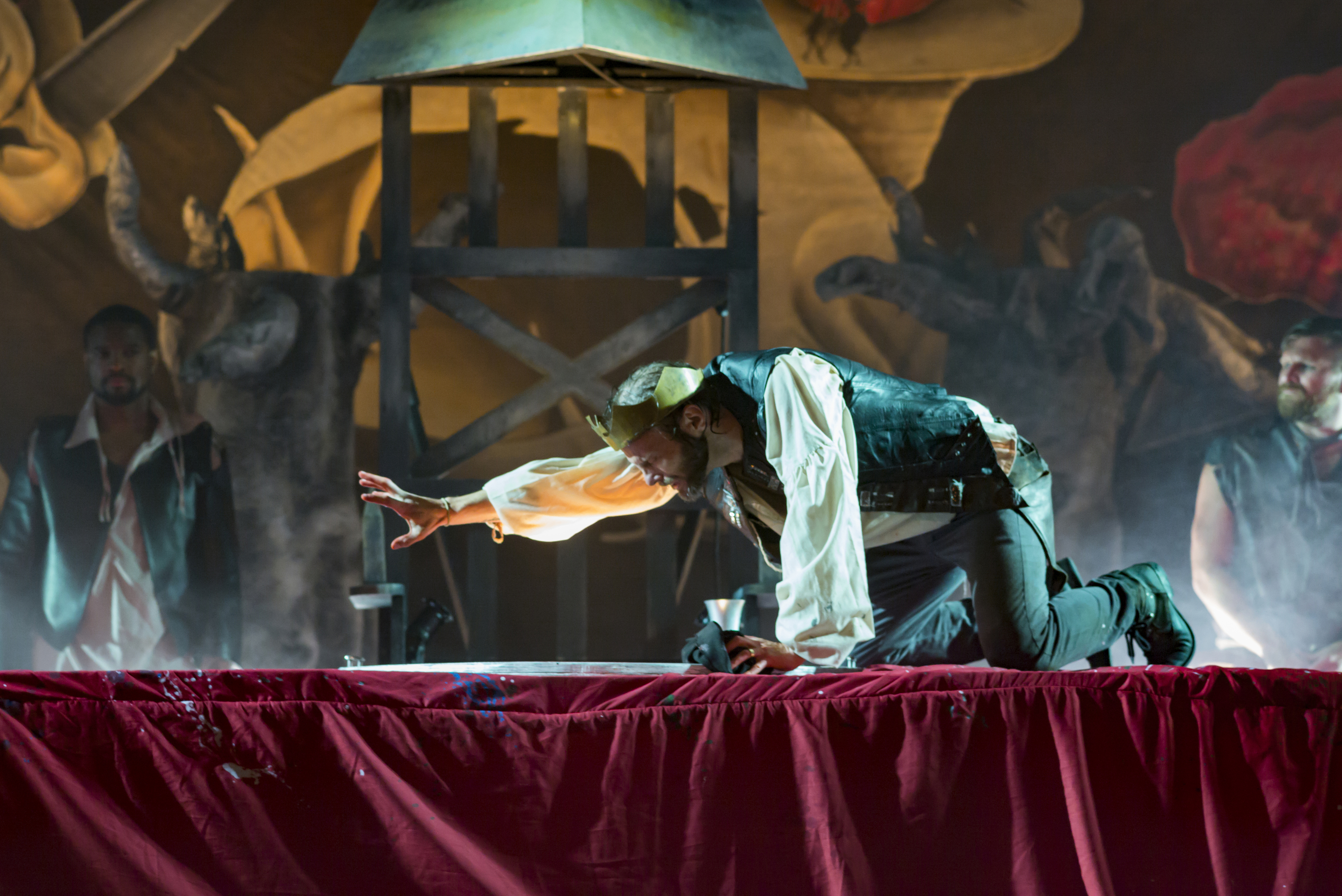 Not only did Benjamin and his team have to contend with the practicalities of lighting but also working within the church space. Benjamin states: “Iris Theatre are located in a fantastic venue yet it is also used every single day as a church, meaning all of the equipment needs to be flexible enough to be moved at the end of each day. Thankfully, apart from the discrete rig within the church itself, WL supplied us with adaptable equipment which could be moved as and when required”.
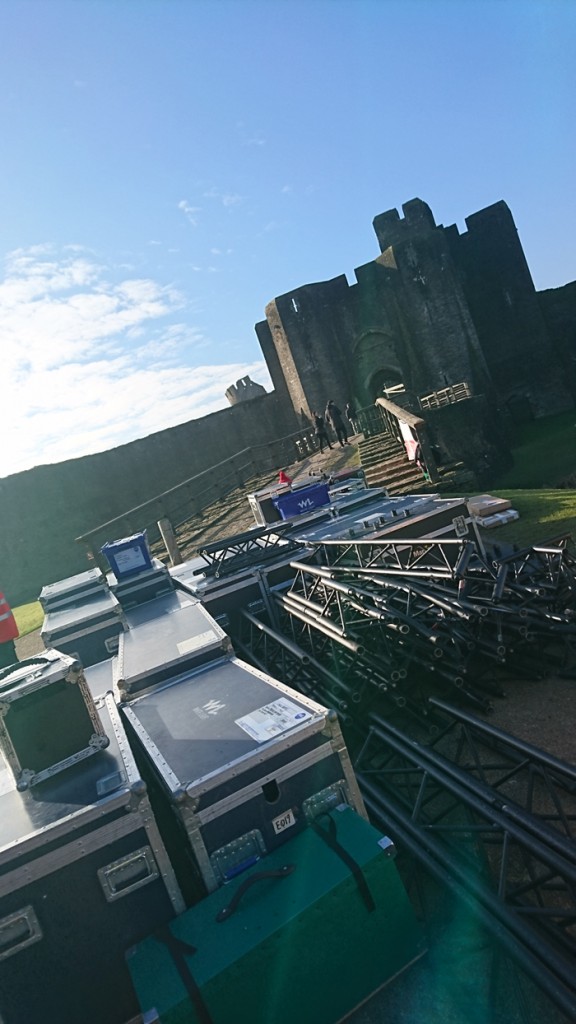 Theatr Genedlaethol Cymru recently staged a Welsh-language version of Macbeth at Caerphilly Castle. This brand new, site-specific production ran last month and was the company’s first show to be performed in this historic ruin. Following its work on several other site-specific projects, White Light was asked to provide the lighting equipment on this production.
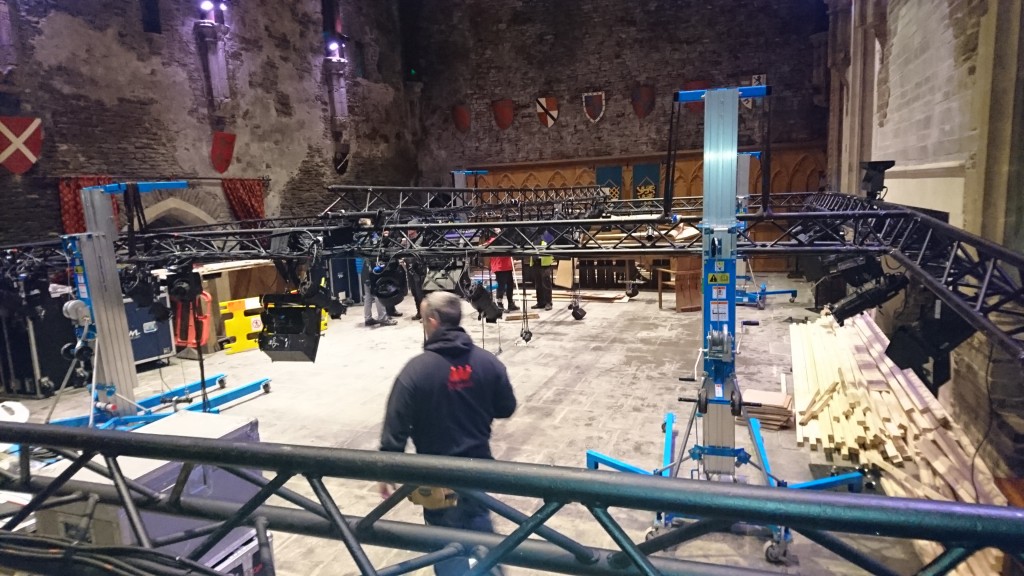 Macbeth was a promenade piece which took place in three internal spaces throughout the castle as well as transitioning through one external space. This meant that each space required rigs that needed to be connected to one another as they were each sharing various elements. Alongside this, the production was being broadcast live to 12 cinemas across Wales, meaning the lighting had to be suitable for recording.
 After several discussions with the WL team, Joe and Joshua drew up their ideal kit list for the production. Joshua states: “We used the SGM P5s for a variety of internal and external washes. They offer great punch along with a decent colour range. The SGM G-Spots were ideal as these were waterproof, meaning they could sit on the castle battlements as they provided lighting through the windows. We also used Martin MAC Auras for the wash along with Chauvet COLORado for downlight”.
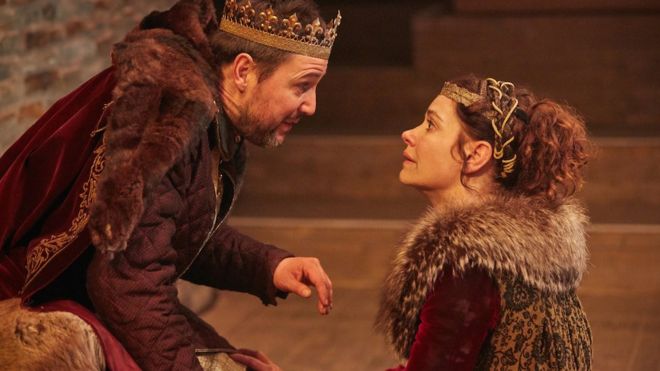 The show has now finished its run at Caerphilly Castle where it received critical acclaim.