White Light is Simply the Best for TINA – The Tina Turner Musical
Leave a Comment
One of the best-selling artists of all time, Tina Turner’s fascinating life story has now been turned into a stage show with TINA – The Tina Turner Musical. Written by Olivier Award-winning playwright Katori Hall, the show charts Tina’s humble beginnings in Nutbush, Tennesee to her transformation into the global Queen of Rock ‘n’ Roll. The show is playing at the Aldwych Theatre in London’s West End and as a leading lighting supplier to some of the biggest shows in the country, White Light was called upon to provide the lighting equipment.
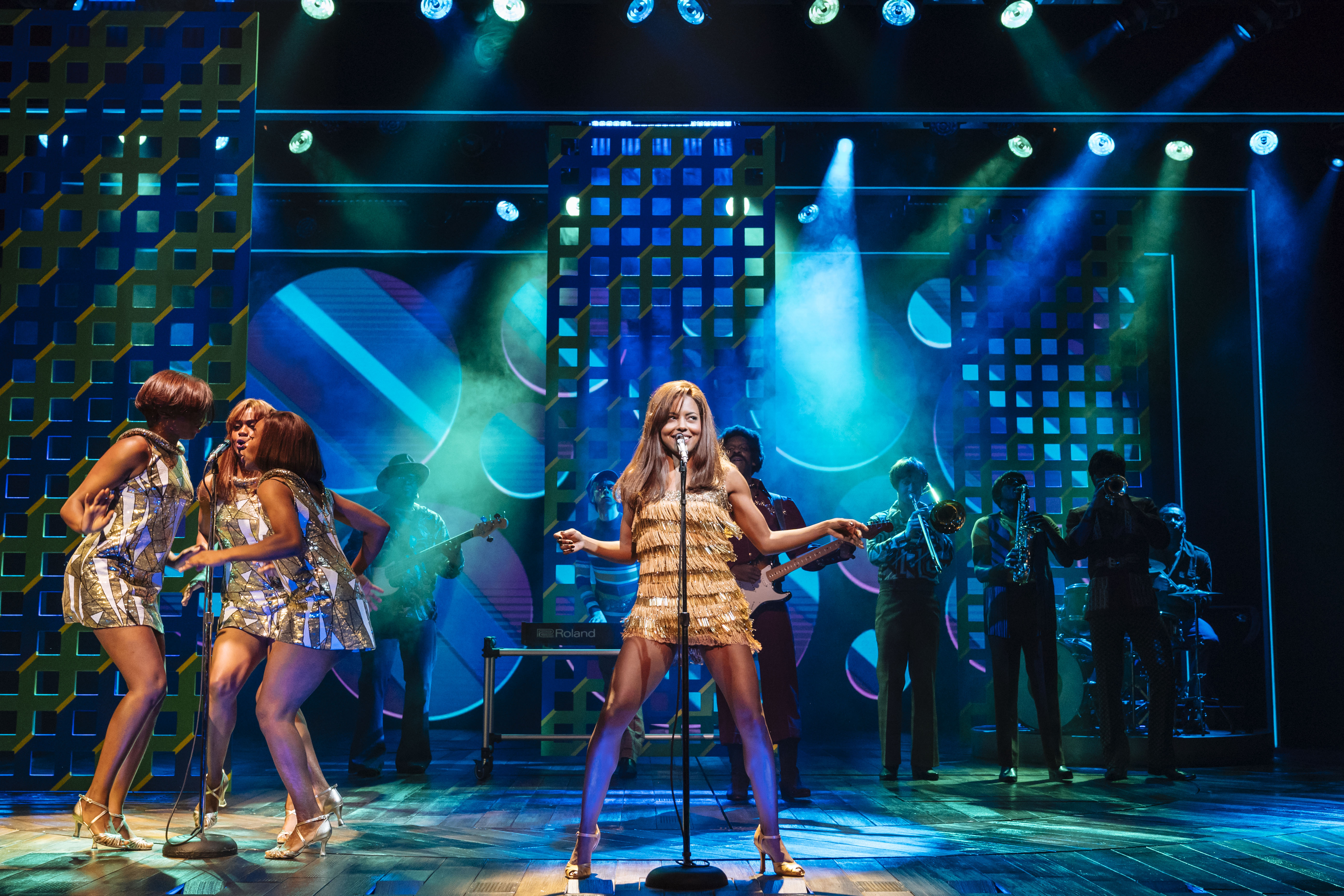
TINA – The Tina Turner Musical is directed by the internationally-acclaimed Phyllida Lloyd and features a lighting design by Bruno Poet. Bruno comments: “My brief for the show was to help tell this extraordinary story and make the performers come alive within Mark Thompson’s elegant design. The set frames the actors beautifully and is very stripped back, with the focus being on the characters’ emotional journeys. There are also around 40 scenes in different locations, and the lighting needs to support that sense of time and place. Added to this were several concert scenes so I had to create a design that matched this energy”.
To achieve this, Bruno approached WL in order to draw on his ideal rig. He explains: “It was a combination of experimenting with new units that I felt might be useful in combination with tried and tested favourites. I was really keen to move away from discharge light sources and more towards the latest LED fixtures. I also needed a really flexible rig that could offer a full-on concert experience at the end of the show, but also work with the more nuanced, delicate scenes. I was also determined to have a very quiet rig. Even a musical has quiet moments and hearing fan noise is a personal pet hate of mine!”.
The equipment Bruno drew on included the MAC Encore Performance CLD, the VL550, the MAC Aura XB, GLP X4 Battens and the ETC Source 4 Lustr 2s. He explains: “With the MAC Encore CLD, this is the first LED source I’ve found that gives the cold discharge look of something like a MAC Viper but can also do a convincing tungsten warm. With the Auras, these have great zoom range, brilliant colours and can be used for punchy, beamy looks. The set design cried out for curtains of light and the GLP X4 Battens allowed me to achieve this, while taking up virtually no space on the grid. I also drew on Portman P2s for the big concert finale, along with Clay Paky Sharpys. The desk I drew on was an EOS which I often use for theatre productions”.
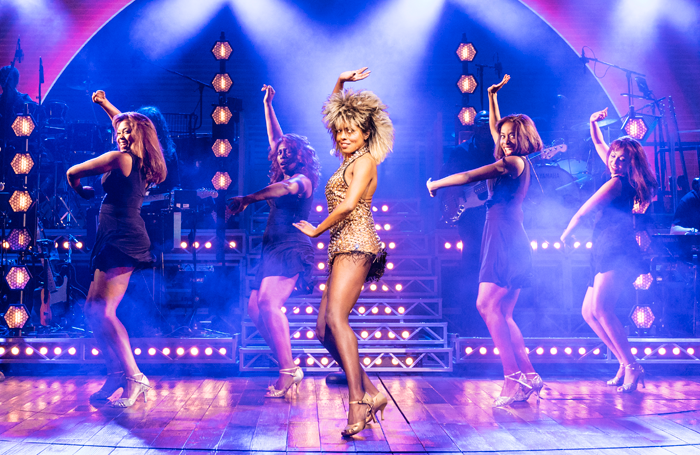 The decision as to what type of lighting equipment should be used was much discussed in the show’s pre-production stages. Bruno explains: “As the musical spans several decades, we did contemplate using equipment and styles that would be accurate from certain points along that timeline. However, looking at this in detail, we realised that this could be very dull for a modern audience! That said, I did make myself some ground rules. For instance, you don’t see moving lights move until we get to the late 1980s”.
TINA – The Tina Turner Musical has now opened to critical acclaim and has already been extended to February 2019. Bruno comments: “This was a fantastic production to be a part of. I was supported by an amazing team which included Max Narula as Associate, Warren Letton as Programmer and Sam Floyd as Production Electrician. I really enjoyed collaborating with Jeff Sugg, the Video and Projection Designer, as this was one of those shows where lights and projection worked as one. Similarly, I was surrounded by a brilliant stage management team, especially Sarah Seymour our DSM whose calling of the finale is poetic and a masterclass in timing”.
Photos courtesy of Manuel Harlan.
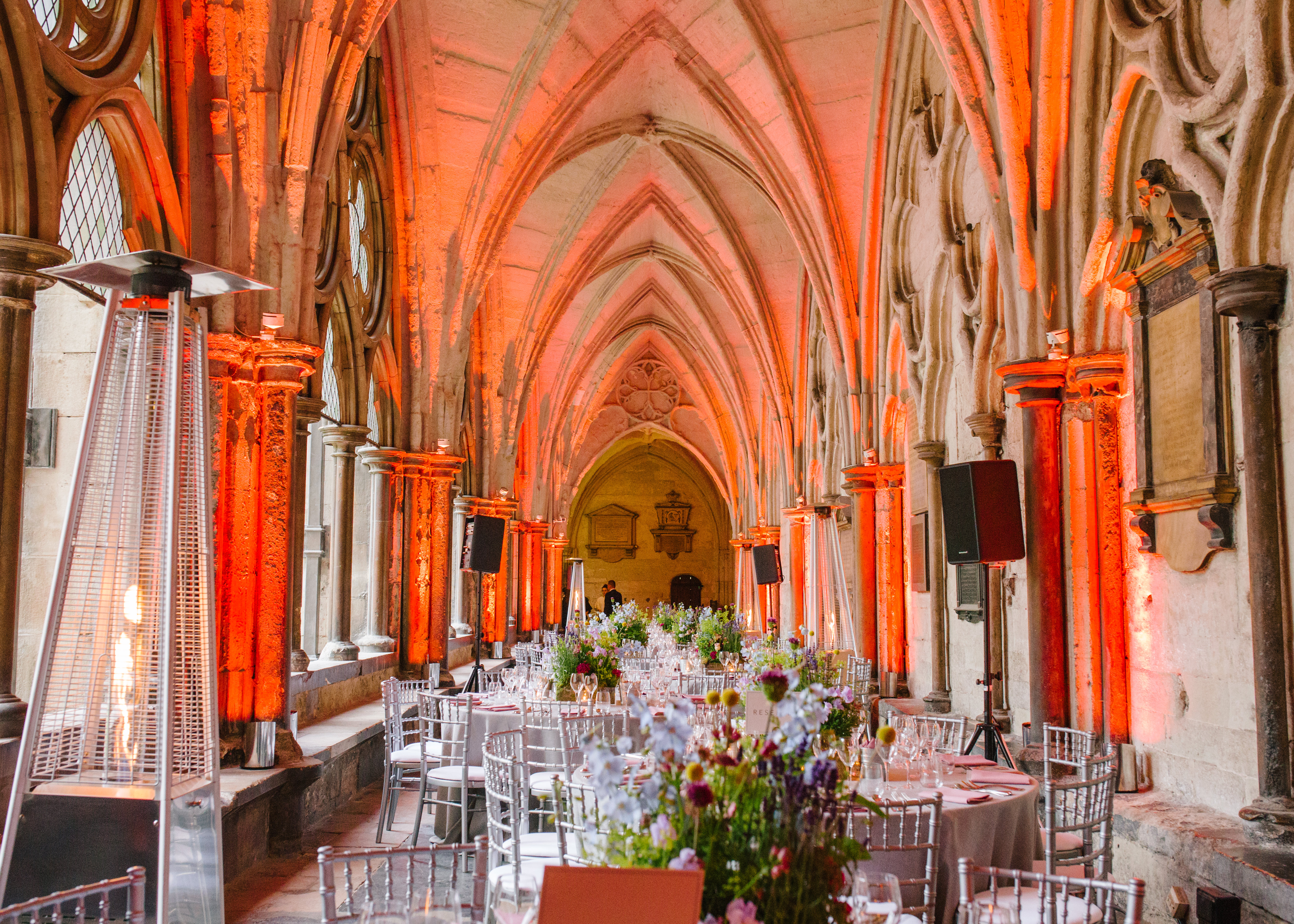 Mills & Reeve is part of SCG Legal – a global network of independent law firms in 82 countries, of which Mills & Reeve are the only English member. Every year, SCG Legal organise the Midyear Meeting; a two day conference followed by a finale dinner which is held in a different member’s country. This is a once in a generation opportunity and, for 2018, it was London’s turn. The finale dinner took place at London’s Westminster Abbey and, as an approved supplier to the venue, White Light was approached to provide the technical support.
 The event was organised by Mills & Reeve’s Business Development Advisor Christine Joyce, who comments: “The purpose of the dinner is to celebrate the close of the yearly Midyear Meeting. There were 160 important guests attending the banquet and we wanted to impress these by incorporating a traditional ‘English style’. A couple of years ago, the final banquet was held in the Vatican in Rome with private tours of the Sistine Chapel. We wanted Westminster Abbey to be just as, if not more, special”.
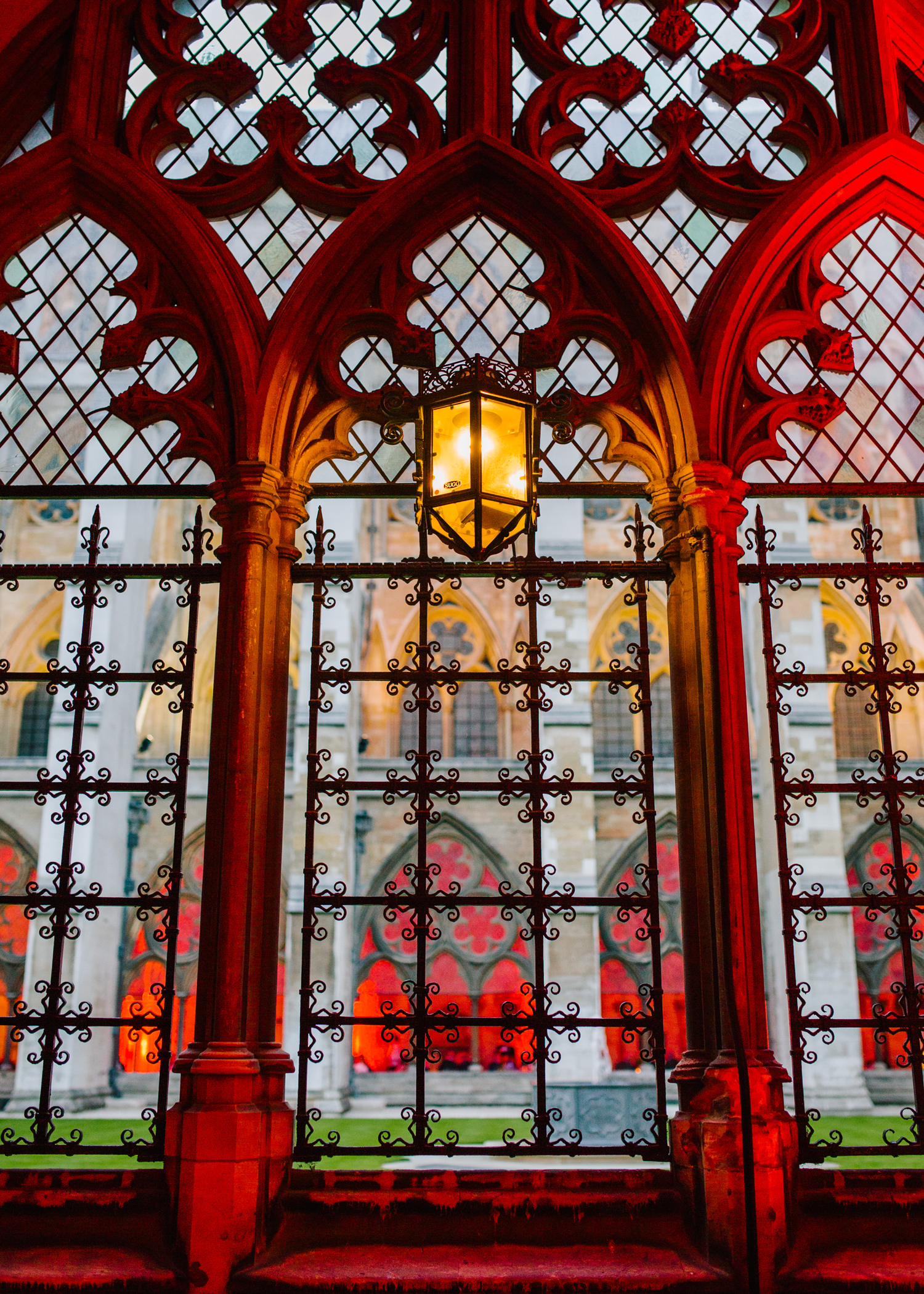 Phil comments: “Our role was to supply audio and lighting support across the evening to ensure the guests had the most engaging experience possible. Our on-site crew were also there to support the entire eventand assist Christine and her team with any queries they had”.
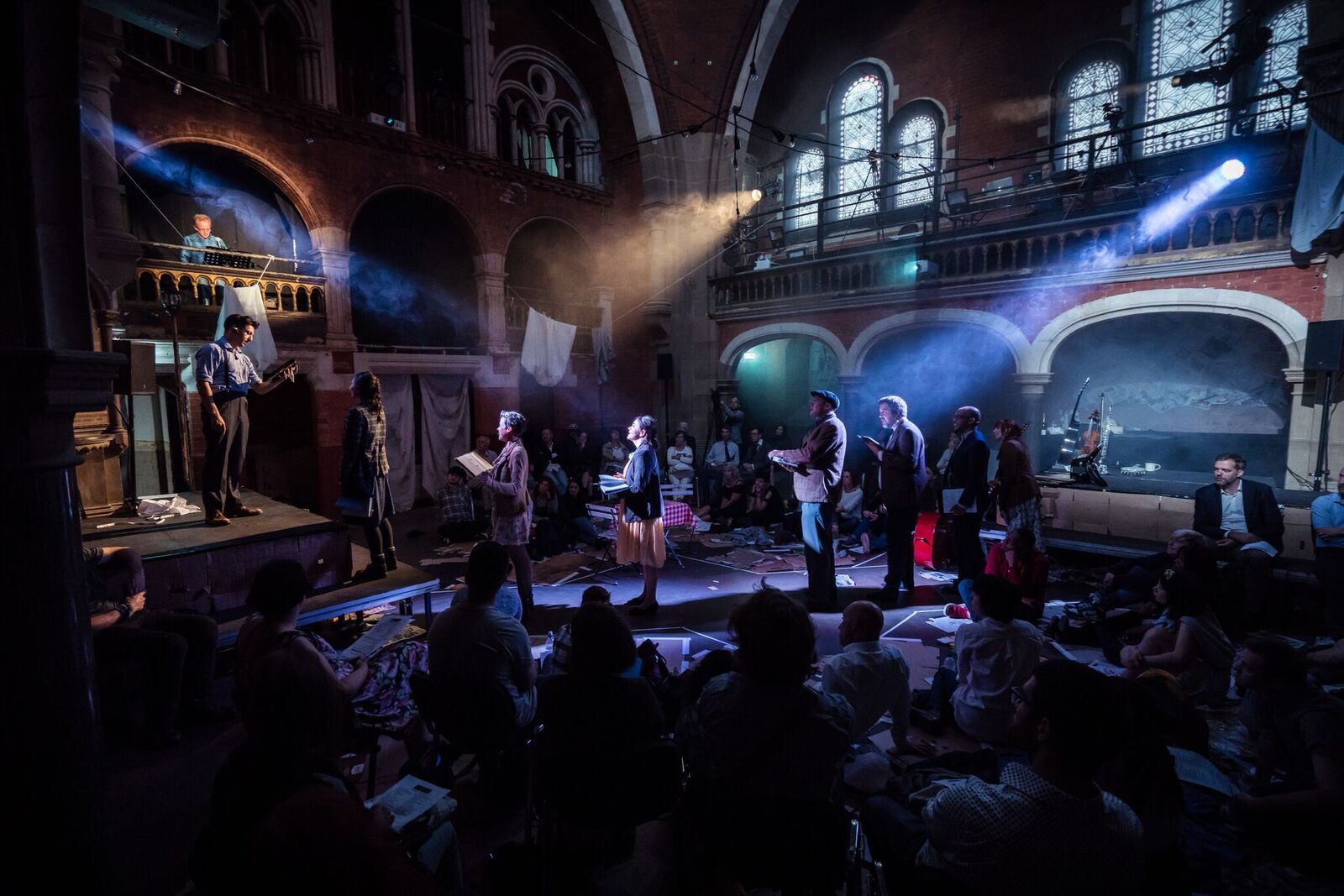 On 6th June, George Orwell’s classic book Down and Out in Paris and London was brought to life in an immersive performance at Stone Nest in London’s West End. The event was a collaboration between The Orwell Foundation, the Joseph Rowntree Foundation, Libby Brodie Productions and UCL’s Festival of Culture. Having supplied last year’s unabridged reading of Orwell’s 1984: LIVE, White Light was called upon to provide the complete technical solutions on this occasion.
 Whereas 1984: LIVE was a reading of Orwell’s novel from start to finish, Down and Out: LIVE offered a slightly different interpretation. Robbie explains: “Whilst the project was constructed around extracts from Down and Out, these were interspersed with poetry and testimonies from people who are currently homeless; with the text still being extremely relevant in today’s society. Because it’s a marathon of an event, it’s quite difficult to plan intricately given the short lead-in period (we had a week of rehearsals for a five hour show). I had to devote most of my preparatory time making and rendering the video content. Additionally, because much of the action was improvised or potentially needed to be altered as a result of the immersive audience layout, the lighting rig had to be versatile; resulting in the show being busked from a bank of pre-defined presets”.
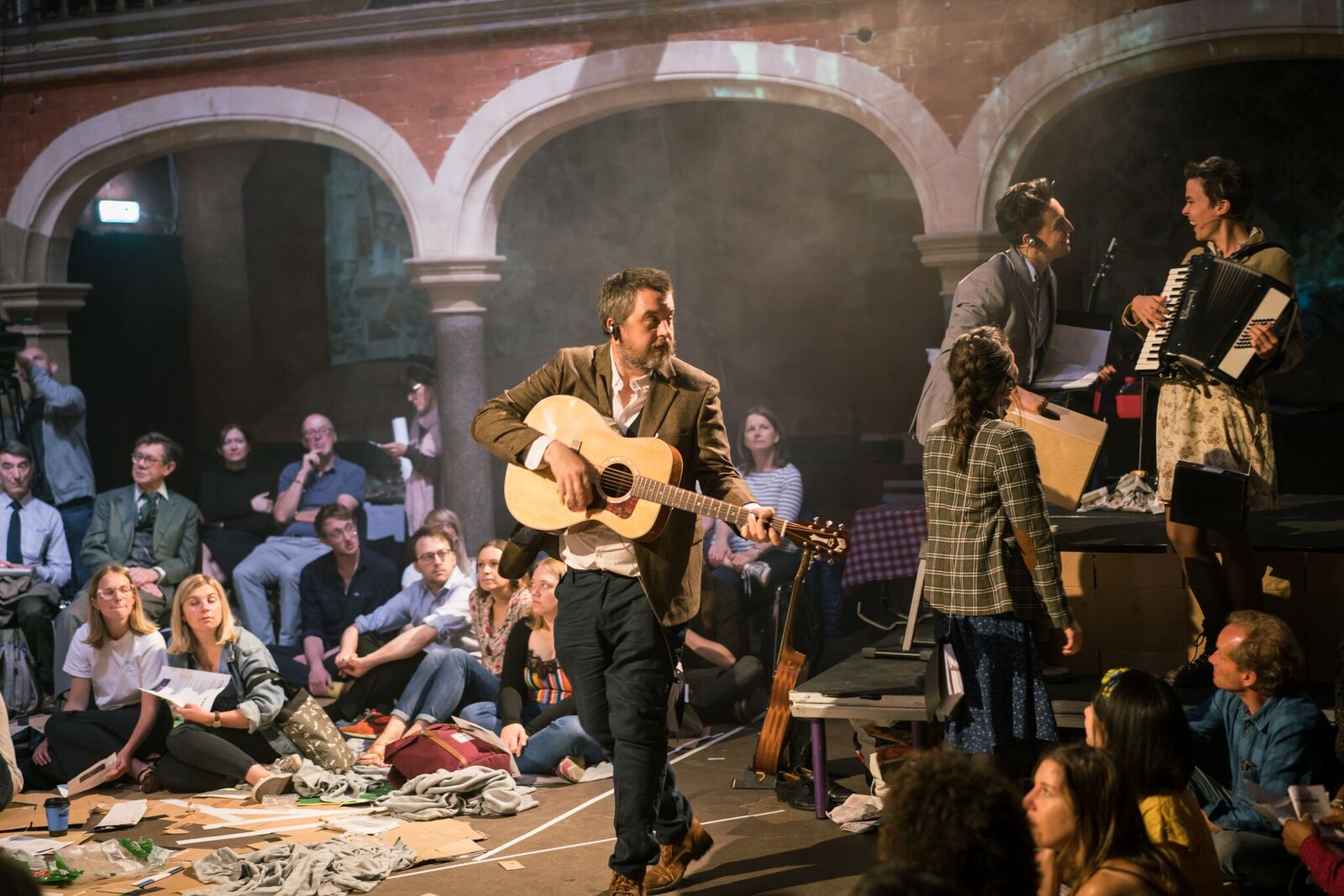 Robbie adds: “Stone Nest is an incredible venue. A former chapel, the interior features beautiful red brick walls and concrete gothic arches and windows. Architecturally, it’s a dream to light because it just looks like a really well built set. What isn’t ideal is that we had quite a large amount of light leakage on what turned out to be a sunny performance day. However, as a found space, you could really do some interesting things with it and it was great to work on a show there”.
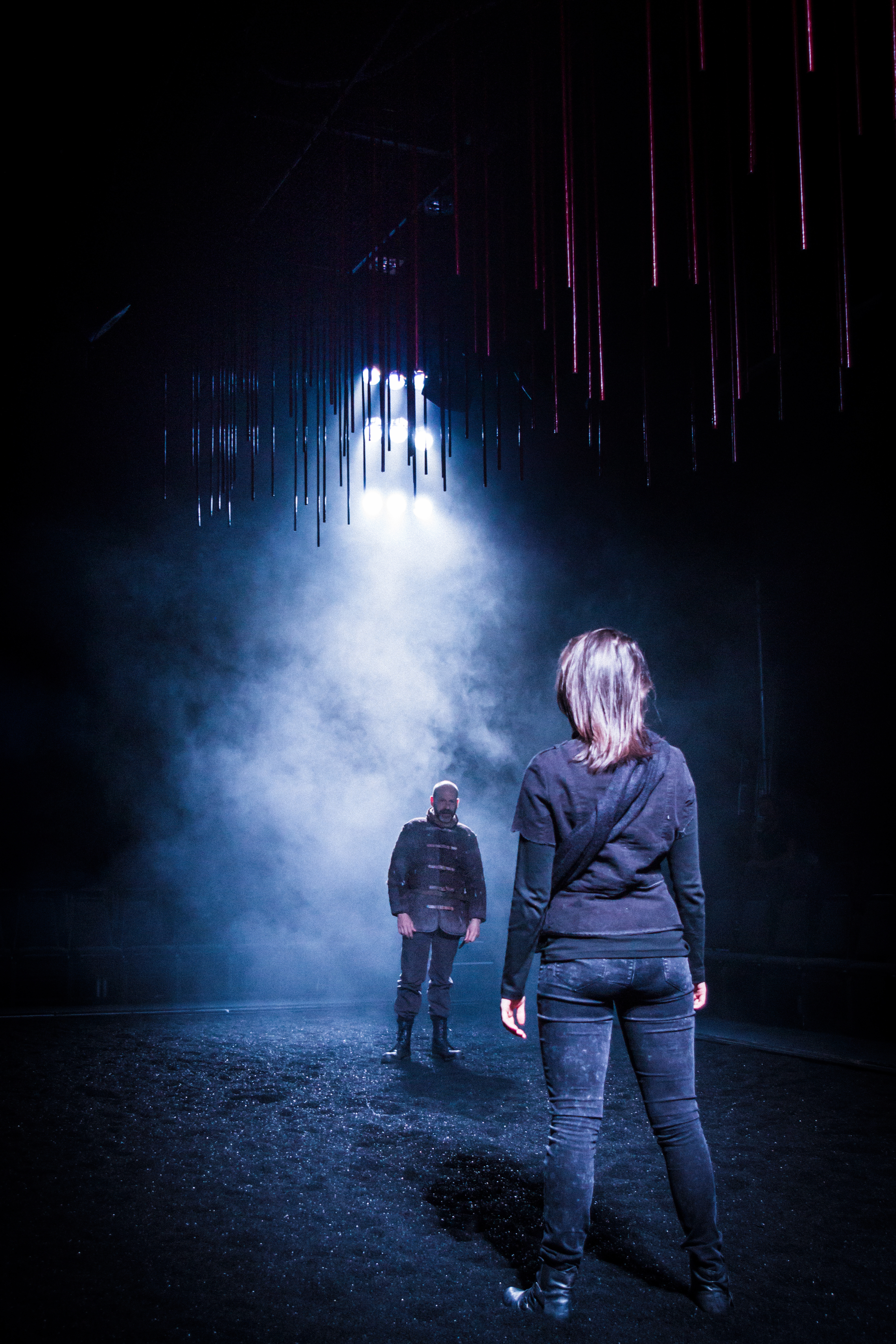
 Sankara is a new play telling the story of African hero and former President of Burkina Faso Thomas Sankara. Written and directed by Ricky Dujany, it recently ran at London’s Cockpit Theatre and featured a live music performance by Levi Roots. As a leading lighting supplier to London theatre, White Light was called upon to provide the equipment.
 To achieve this, Salomé approached the Hire Team at WL. She explains: “I wanted to recreate an immersive and quite naturalistic look, taking inspiration from my travels in West Africa. As a result, I decided to go for a bare stage with sand on the floor, with only a couple of props, and use light as the most important scenic element. The biggest challenge was to create an all-round projection which I managed to achieve by hanging vertical cycloramas in three points around the stage: two of them being an entrance for the actors. This created a strong parallel between the words of the actors and the real footage.
 The fact that the play was in the round meant that Salomé had to configure her design accordingly. She comments: “Lighting in the round is challenging, especially with a dynamic play such as this which is rich with movement and effects. In addition, I had to ensure that the actors were well lit throughout whilst sustaining the dramatic urgency. That said, I decided to use this intimacy to my advantage and actually drew on the house lights for one scene in which Sankara delivers a heartfelt monologue”.

 Whereas a lot of West End shows have to significantly change when embarking on a tour, this wasn’t the case for Derren Brown: Underground. Charlie explains: “The West End version of the show was actually the largest revamp that Underground when through in terms of lighting. We kept the Martin MAC Auras from the previous UK tour but added in ETC ColourSource Spots along with some clam shell footlights. We’ve then gone on to keep all of this for the 2018 tour, which means that audiences across the UK are seeing a carbon copy of the West End version”.
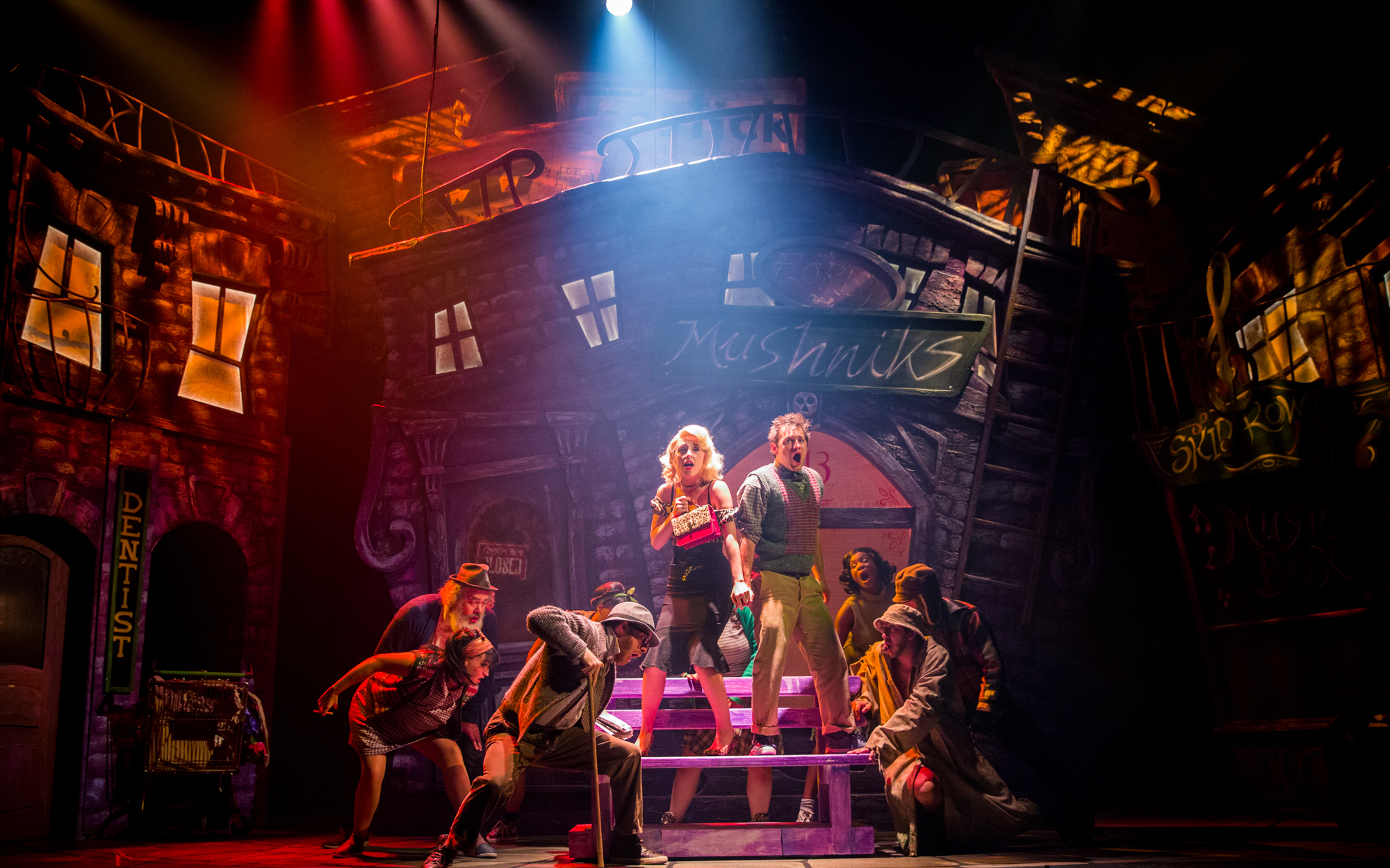
 Located in London’s West End, the Jermyn Street Theatre is one of the capital’s most renowned studio theatres. It was recently re-launched under new Artistic Director Tom Littler as a full-scale producing theatre, creating around eight to ten in-house productions every year. One of these is Tonight at 8:30 by Noel Coward. The Lighting Designer was Tim Mascall who called upon White Light to supply the lighting equipment.
 Tim was brought on board by Artistic Director Tom Litter who directed all of the plays, with Stella Powell directing the Tomorrow at Noon pieces. Tim comments: “One of the biggest elements of my brief was to create a rig flexible enough to cover 12 different plays with as minimal turn around time as possible in between each. The structure of each evening is that between the first and second piece there is a ‘pause’ of around 5 minutes in which the audience remain in their seats whilst the set is turned around and then the second turn around happens during the interval. This was all achieved with some meticulous planing and scene change choreography from Set Designer Louie Whitemore and Associate Director Gabby Bird”.
 The show has recently finished its run following critical acclaim. It marks one of several productions that WL is currently supplying across London including West End smashes such as Harry Potter and the Cursed Child(LD – Neil Austin), Tina Turner – The Musical (LD – Bruno Poet), Consent(LD – Rick Fisher) along with Describe the Night at Hampstead Theatre (LD – Johanna Town), Mayfly at the Orange Tree Theatre (LD – Christopher Nairne), Fatherland at Lyric Hammersmith (LD – Jon Clark) and Why is the Sky Blue at the Southwark Playhouse (LD – Elliot Griggs).
 Wireless Solution Sweden is the world’s leading manufacturer of the most popular, reliable and exciting Wireless DMX control equipment: W-DMX™. The latest product in this revolutionary line is the BlackBox F-1 G5 which WL has now added to its hire equipment inventory.
 The versatility and advance features of the F-1 G5 means it can be utilised on a range of projects. David explains: “W-DMX™ is known for being the de-facto standard technology on mission-critical events like Eurovision contests, Opening Ceremonies like the Commonwealth Games or the Baku European Games, Worldcups, Superbowl, and many other stadium-based events. It’s also the primary choice for the Opera House in London, and many West End plays”.
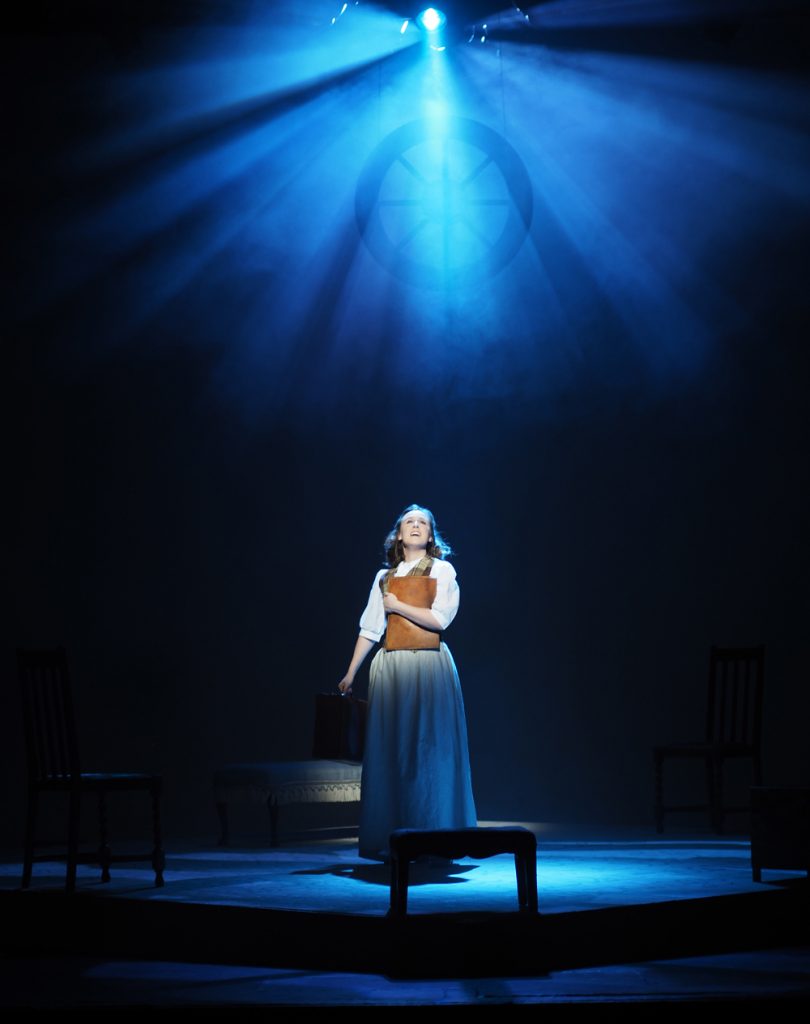 Following a successful 2017 season, the Musical Theatre Performance Company at the University of Chichester recently presented Little Women. The production took place on April 19-21 at The Alexandra Theatre in Bognor Regis. The Lighting Designer was WhatsOnStage Award-nominated Jack Weir and he approached White Light to supply the lighting equipment.
 Jack explains: “The SGMs are fantastically bright and a unit I’ve drawn on before. Due to their brightness, we only needed eight units to light the cyc top and bottom; which resulted in a lovely effect. The main purpose for drawing on the MAC Viper was to shoot through a hanging window. The window was the main focal point of Amy Watts’ brilliant set and, as a result, was a point in which very bright yet controllable lighting was required”.